Champion and Nash helps homeowners understand and solve aircon problems with straightforward service and real solutions built around how systems perform in Houston homes through AC repair in Houston.
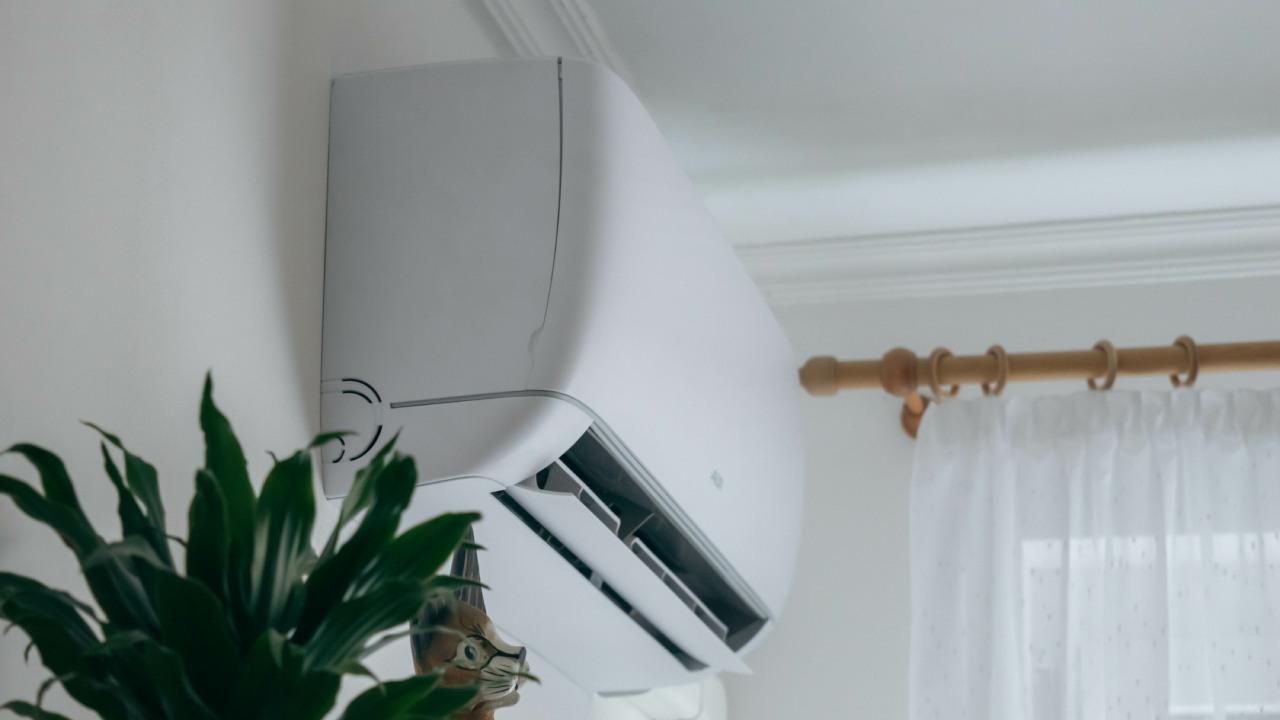
Homeowners rarely notice the cooling system first. They notice the room. It is warmer than it should be, or the air from the vent has gone thin, or something sounds different after the house quiets down for the night. None of it forces a decision on its own. Those details have a way of stacking up though, and by the time they do, the issue behind them has usually had weeks to develop. Catching aircon problems at that early stage is the difference between a service call and a breakdown. Houston systems run under real load for long stretches. The heat is not occasional — it is sustained, and it asks a lot from equipment that rarely gets a rest. A system that cools unevenly, holds temperature poorly, or cycles at odd intervals is not just falling short on comfort. It is telling you something worth acting on. Champion and Nash helps homeowners understand and solve aircon problems with straightforward service and real solutions built around how systems perform in Houston homes through AC repair in Houston.
The most common reason homeowners wait to call is that the system has not stopped. Air comes out. It turns on when it should. That logic holds — right up until you look at how most of these failures actually develop. Not as sudden breakdowns, but as slow, compounding slides that take weeks or months to become obvious. A drain line with minor buildup ends, eventually, with water damage or an unplanned shutoff. A coil running slightly dirty strains everything downstream. Weak airflow reads as a minor inconvenience while it quietly grinds down internal components over two months. Many aircon problems work this way — one part working harder to cover for another, then another doing the same, until the repair that should have been quick is not. The utility bill tends to show it before the equipment does. More electricity used, less comfort delivered, no single dramatic failure to explain it. Just a slow climb that gets blamed on the season. The first signs are usually the cheapest moment to act on. Comfort loss happens too gradually to feel like an emergency, which is exactly why it gets missed. And every month a failing component runs under load, it puts more pressure on the parts around it.
A system that appears to work while the room stays warm produces a specific kind of frustration. The air comes out, and it is even cool, but it moves without force and spends itself before it reaches the far side of the room. This is one of the more frequently reported aircon problems, and it has enough possible sources that no single answer covers it reliably. The filter is usually the first place to check, and its consequences reach further than most people expect. For homeowners wanting a clearer upkeep routine, this aircon maintenance guide from Champion and Nash explains what to watch for before airflow starts dropping. Enough restriction there drags the entire system down. Ductwork is another place to look, particularly in older homes where the original design was already a compromise between what the plans called for and what the contractor actually built. Blower trouble develops without much warning. A wheel carrying buildup does not seize — it just moves slightly less air than it should, week after week. Pair that with a dirty or partially frozen evaporator coil and you lose cooling capacity and airflow at once. The unit stays on longer trying to compensate, and the wear from that extra runtime adds up. A filter past its service life restricts airflow enough to affect everything downstream — that part is simple. The duct side is less obvious. One area of the house that never gets enough air almost always has a duct problem behind it, and cold air produced at the coil means nothing if the blower cannot move it to where it needs to go.
Warm air from the vents does not leave much room for rationalization. Something is wrong. The Department of Energy guide to common air conditioner problems gives a good overview of why this symptom usually points to a real system issue. The range of possible causes is wide enough that chasing the wrong one first wastes real time, so the obvious starting point is still the right one regardless of how simple it feels. Check the thermostat setting. Fan mode moves air without cooling it, and that can feel like a malfunction when it is just a setting someone changed. If that is not it, the causes get mechanical — refrigerant too low to pull heat from the air, a compressor not doing its job, an outdoor unit too fouled or blocked to release what it has absorbed. These are aircon problems that do not recover on their own. Running the system while warm air comes out does not help it correct course. It adds strain to whatever is already wrong. Two minutes confirming the thermostat setting can prevent an unnecessary call. Beyond that, refrigerant issues show up in the vents almost immediately — when the system cannot absorb heat properly, what comes out reflects that fast. The outdoor unit matters just as much. The condenser has to shed heat for the whole cycle to function, and when it cannot, the indoor side has nowhere to send what it is collecting.
Every cooling system has its own sound. Most homeowners know it without thinking about it — the blower hum, the contactor click, the low background rhythm the house takes on when everything is running normally. A new sound in that mix is worth paying attention to. Rattling near the outdoor unit often comes down to loose hardware or debris that worked its way inside the cabinet. Buzzing that was not there last season tends to involve electrical components — capacitors, connections, things that do not make that sound when they are in good shape. Grinding is a different category entirely. Metal moving against something it should not be moving against does not improve with time. Squealing can point to motor bearings or to a system straining against airflow it cannot push through. What these noise-related aircon problems tend to have in common is that homeowners keep running the equipment because it still seems functional. That instinct is understandable and usually wrong. A worn part does not level off. It wears further. The noise is the system spending down whatever margin it had left, and that margin does not come back. Hardware and debris near the condenser are worth ruling out before assuming anything internal. Electrical sounds — buzzing especially — mean something is working harder than it should, or has stopped working altogether. Grinding is not a sound to run the system through. More runtime under those conditions typically means a more expensive repair on the other side of it.
Water near the indoor unit does not usually get treated as urgent. It should. Houston AC systems pull moisture from the air in volume and without pause during the cooling season. That moisture has one designated path out of the system. When something blocks or breaks that path, it finds another one, and the alternatives are not good. A clogged condensate drain line is behind most of these calls. When drainage issues start connecting to electrical trouble, this breakdown on why an air conditioner keeps blowing fuses can help homeowners understand one possible warning sign. Algae and sediment build up inside the line, drainage backs up, and the pan overflows. Some systems cut themselves off before that happens through a float switch. Others run until the water has somewhere to go that it should not. A cracked pan, a disconnected line, or a frozen coil can each produce standing water through different mechanisms — none harmless, even when the system is otherwise still running. These are aircon problems where what happens next can cost more than the original repair. Flooring, drywall, a ceiling on the floor below — water reaching any of those materials does not wait for the service appointment. It is also worth knowing that a leak at the drain pan is not always starting at the drain pan. The source may be the coil, the ductwork, or something upstream in the airflow. The window to deal with water damage is shorter than it tends to feel in the moment.
Two problems that look like opposites often trace back to the same place: the system is not matched to what the home actually demands of it. Short cycling — starting, stopping, and starting again before the cycle finishes — puts real stress on compressors. Each startup draws more current than sustained operation, and a unit cycling dozens of extra times per day is accumulating wear that will not surface until something fails. The other version is a system that runs without ever reaching the set temperature. Too small, too worn, or up against conditions it was never built to handle. Both of these aircon problems reach the utility bill before they reach the equipment in any obvious way. The Department of Energy’s air conditioner maintenance tips also explain why neglected systems often cost more long before they fully fail. Comfort drops, costs go up, and the system keeps running. Held long enough, that combination tends to end with a larger repair than it needed to be. Worth noting separately: a thermostat reading conditions incorrectly can drive cycling behavior that looks purely mechanical. It sometimes gets treated as mechanical, which means the actual cause stays in place.

Some homeowners have lived with a warm bedroom or a stuffy second floor for so long it stopped registering as a problem. It became a feature of the house, something to work around. That adjustment makes sense after enough time. It is also frequently wrong. Duct leakage, blocked vents, return air problems, and insulation gaps each create imbalance, and they rarely show up one at a time. A system designed around a floor plan that has since changed has the same effect — additions, conversions, and remodeled rooms shift load onto equipment that was sized for something different. That imbalance develops slowly enough that by the time it is noticeable, it has started to feel like it was always there. These aircon problems are worth actually investigating before accepting them as permanent. The answer is sometimes a duct adjustment or an airflow correction. Sometimes it is a maintenance issue that has been building quietly for a year or two. A room that has always run hot does not necessarily have to keep doing so. Return air problems that seem localized tend to spread their effects well beyond the room where they start, and design issues that were manageable when the house was first built can stop being manageable years later without anyone changing anything.
A utility bill that climbs while the house stays the same temperature is one of the more reliable signals that something is wrong with the equipment. Not dramatically wrong — just wrong enough to cost money every month without making itself visible. Dirty coils, refrigerant loss, restricted airflow, worn electrical components, duct leakage — any one of these reduces efficiency without stopping the system. The unit runs longer to produce less, and homeowners pay for that extra runtime on every cycle. Most never connect it to an equipment issue at all. The bill goes up, summer gets blamed, and the underlying cause keeps running. Seasonal increases make sense. A bill that spikes sharply, or one that stays high after temperatures drop off, is different. These are aircon problems with a paper trail, and the fix is usually specific — but locating it takes someone actually looking at the system rather than the thermostat. Running and cooling is not the same as running well. Aging equipment raises the cost of the same amount of comfort year over year, quietly, without any single moment of failure to point to. Most of the buildup and component wear that drives that cost up is preventable with regular maintenance — but only if the maintenance actually happens on a consistent schedule.
A few things are worth checking before making the call. Not because they substitute for professional diagnosis — some aircon problems are only safely handled by a licensed technician — but because simple explanations deserve to be ruled out before assuming something more complicated is going on. Confirm the thermostat is set to cooling mode. Replace the filter if it is past due. Walk the house and make sure vents are open and clear. Check the outdoor unit for anything crowding the condenser. If the system will not start at all, look at the breaker first. These steps occasionally solve the problem outright. More often they rule out one explanation, which still shortens the diagnosis when the technician arrives. What they should not become is permission to keep running a system that is clearly in trouble. Warm air from the vents, water near the indoor unit, sounds that were not there last week — those situations call for a professional, and running the system in the meantime typically makes whatever is developing worse rather than better.
When something goes wrong with a cooling system, most homeowners are not looking for a detailed explanation of what might be happening. They want to know what is actually happening and what fixing it involves. Champion and Nash helps homeowners solve aircon problems with straightforward service and real solutions built around how systems perform in Houston homes. That starts with a diagnosis that goes past the presenting symptom — airflow, electrical condition, drain function, coil state, what the system as a whole is doing under load. For systems that are no longer worth saving, Champion and Nash also provides AC installation and replacement. Many aircon problems do not arrive alone, and treating only what is visible can leave the underlying cause in place to create the next one. Houston's cooling season is long and does not let up. A small problem in April is a bigger one by July. Showing up with the right diagnosis matters as much as showing up with the right part.
Cooling failures almost always leave a trail before they arrive. A room that feels different. A sound that was not there last summer. A bill that does not match what the weather outside would explain. These are the signs of aircon problems that are still correctable — before other components get drawn into the failure, before the conversation moves from repair to replacement. Most homeowners who wait do so because the system is still running. It just is not running right. That gap matters more than it seems in the moment, because the window for the simpler fix does not hold open indefinitely. If the home has not been feeling the way it should, the answer is usually specific and findable. With the right service, many aircon problems can be caught early, fixed properly, and kept from becoming something larger than they needed to be.
What are the most common aircon problems in a home? Weak airflow, warm air from the vents, water near the indoor unit, unusual sounds, short cycling, uneven temperatures between rooms, and rising energy bills without any improvement in comfort.
Why is my AC running but not cooling properly? Low refrigerant, dirty coils, airflow restrictions, a malfunctioning outdoor unit, or electrical trouble can all cause this. The system runs — it just cannot keep up.
Should I turn off my AC if it is making strange noises? If the sound is loud, sudden, or mechanical, yes. Running it further risks turning a repairable problem into a larger one.
Can a dirty filter really cause major problems? More than most people expect. Restricted airflow strains the entire system and can contribute to coil freezing, blower wear, and reduced efficiency all at once.
Why is one room in my house always hotter than the others? Duct leakage, insulation gaps, blocked vents, return air problems, or a system that was never sized for the current layout are the usual places to look.
Are water leaks around the indoor unit serious? Yes. Even if the system is still cooling, water near the unit can damage surrounding materials and typically points to something that will worsen without attention.
When should I call a professional for aircon problems? Warm air from the vents, unusual sounds, water near the unit, a system that runs constantly or short cycles, or a home that simply will not reach a comfortable temperature — any of those warrant a call.


