Aircon in Houston is different than most places. The heat sticks around, humidity is always in the mix, and your system runs long hours just to keep the house comfortable.
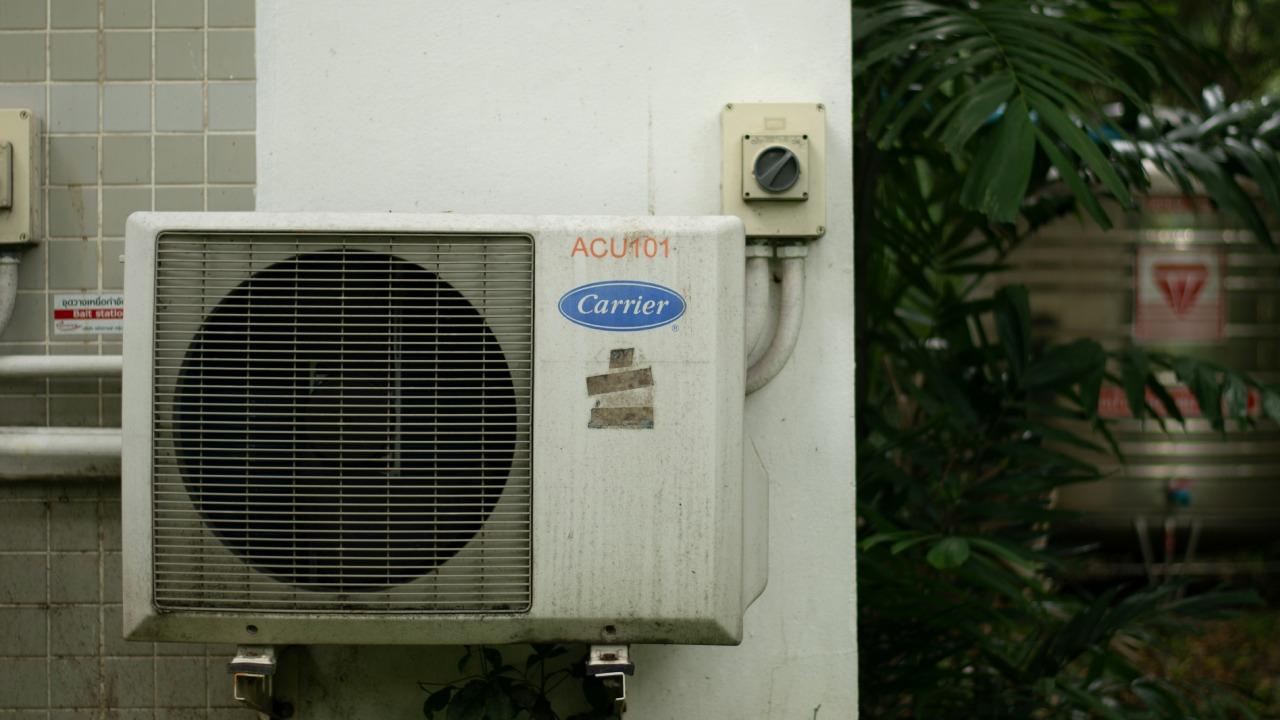
Aircon in Houston is different than most places. The heat sticks around, humidity is always in the mix, and your system runs long hours just to keep the house comfortable. That’s why aircon maintenance in Houston isn’t a “nice to have.” It’s part of owning a home here.
The tricky part is that most AC systems don’t fail all at once. They usually give you warnings first. A small airflow problem turns into a frozen coil. A clogged drain turns into water damage. A loose electrical connection turns into a blown fuse and a no-cool call on the hottest day of the week. If you can spot those early signs, you can fix the problem while it’s still simple.
This guide walks through the most common signs your system needs a tune-up, what those signs usually mean, and what to do next. If you want a professional set of eyes on your system, schedule a visit through Champion and Nash’s AC maintenance service in Houston.
A tune-up isn’t just a quick look and a filter swap. In a real maintenance visit, a technician checks the parts that affect cooling performance, safety, and reliability. That usually includes airflow and static pressure, thermostat accuracy, condensate drainage, electrical components, refrigerant performance, and coil condition. The goal is to catch wear and buildup early, so you’re not paying for emergency repairs later.
The U.S. Department of Energy also points out that basic upkeep matters for performance: keeping filters, coils, fins, and refrigerant lines in good shape helps your system run efficiently, and neglecting them leads to higher energy use and reduced performance. You can review their recommendations on air conditioner maintenance.
In Houston, long run times aren’t automatically a red flag. But if your system never seems to catch up, or it used to cool fine and now struggles, that’s a classic sign of reduced capacity.
Common causes include:
When airflow drops, your system can’t move enough air across the coil to absorb heat. A clogged filter is the simplest cause, but return grilles blocked by furniture or a dirty blower wheel can do the same thing.
The condenser has to reject heat outside. If the coil is coated in grime, pollen, or cottonwood, heat transfer drops and head pressure climbs. That can increase energy use and shorten component life.
Low refrigerant can come from a leak, but “low capacity” can also happen when charge is off, metering components aren’t working correctly, or coils are dirty. A tune-up checks the system’s operating conditions so you’re not guessing.
If you’re trying to stay proactive, follow a seasonal plan like this Seasonal AC maintenance checklist. It lines up the right tasks with the times of year your system is under the most stress.
Weak airflow is one of the most useful early indicators because it usually shows up before a full breakdown.
Even if your system is technically “cooling,” poor airflow forces longer run times, uneven rooms, and higher bills. ENERGY STAR notes that airflow problems can reduce efficiency by up to 15% in some systems, which is a big deal in Houston where cooling costs add up fast. Their full maintenance checklist is a good reference for what should be checked.
A properly running AC doesn’t just cool. It also removes moisture. If your home feels sticky even when the thermostat is set low, your system may not be dehumidifying the way it should.
High indoor humidity can also make people lower the thermostat just to feel comfortable, which increases runtime and wear. A tune-up helps confirm whether the system is operating in a way that supports both comfort and moisture control.
Houston bills move around with the weather, but if usage is climbing and your habits haven’t changed, your AC may be working harder to deliver the same comfort.
A few common efficiency killers:
The Department of Energy explains that clogged filters reduce airflow and can allow dirt to accumulate on the evaporator coil, lowering heat absorption and efficiency. They also recommend checking filters regularly during cooling season.
Both indoor and outdoor coils matter. When coils are dirty, heat transfer drops and the system has to run longer.
These don’t always show obvious symptoms right away, but they can cause a slow decline in performance that shows up on your utility statement.
If you want simple habits that protect efficiency between maintenance visits, this guide on extending the lifespan of your aircon with home care steps lays out the basics in a clear way.

You don’t need special tools to spot many of the early warning signs. If you’re not sure whether your system is “acting off,” run through this short list first. It won’t replace a professional tune-up, but it can help you describe the issue clearly and avoid a wasted visit.
If any of these checks raise red flags, it’s a good time to schedule a tune-up. In Houston, small issues don’t stay small for long once the daily highs and humidity settle in.
Some noise is normal. But new sounds usually mean something changed.
Ignoring noises can turn a small repair into a larger one. A tune-up gives you a chance to handle it before it becomes a “no cool” situation.
This is a sign you should treat seriously. A musty smell can come from moisture or biological growth, but a sharp electrical smell can mean overheating wires, a failing motor, or a problem inside the electrical compartment.
If your AC is tripping breakers or blowing fuses, don’t keep resetting and hoping it goes away. That’s your system telling you something is wrong. This article on why an AC keeps blowing fuses explains common causes and why it’s safer to diagnose the root issue instead of repeatedly restoring power.
If one side of the home feels warm and another feels fine, maintenance may be needed, but it could also point to a duct or airflow balancing issue.
Uneven temps aren’t always solved by “turning the thermostat lower.” A tune-up is a good time to check airflow and the parts that keep distribution consistent.
Short cycling is when the system starts, runs briefly, stops, then restarts again and again. It wears parts faster and can hurt comfort.
Short cycling also makes humidity worse because the system doesn’t stay on long enough to remove moisture.
In Houston, condensate management matters. Your AC removes a lot of moisture from the air, and that water has to go somewhere.
A tune-up includes checking the drain line and confirming the system is draining properly. It’s one of the simplest ways to prevent water damage and indoor air quality issues.
A system that needs frequent fixes may still cool, but it’s usually telling you that the base condition is declining. That could be wear on the compressor, airflow restrictions, electrical issues, or general age.
Maintenance won’t make an old unit new, but it can slow down the decline and help you plan ahead. If your system is older and you’re dealing with repeated issues, the most valuable outcome of a tune-up may be clarity: what’s worth fixing now, what’s likely to fail next, and what replacement timing would look like.
Not all “tune-ups” are the same. A solid maintenance visit should cover more than surface checks.
If you want a maintenance visit that’s built for Houston conditions, this is where scheduling through Champion and Nash AC maintenance makes sense. It’s the easiest way to get a full-picture inspection instead of guessing based on symptoms.
For most homes, a good rhythm is:
Between professional visits, the biggest homeowner wins usually come from filter checks, keeping the outdoor unit clear, and noticing early changes in comfort or noise.
Houston’s mix of humidity, long cooling seasons, and sudden storms creates a few patterns technicians see over and over. Knowing these can help you understand why maintenance is more than a once-a-year checkbox here.
Warm, moist conditions encourage algae growth in condensate lines. A partially blocked drain might not overflow every day, but it can raise humidity and lead to water damage when the blockage gets worse. Routine checks and a quick flush during maintenance help keep this under control.
Houston neighborhoods change quickly. Construction dust, pollen, and yard debris can coat coils faster than homeowners expect. Dirty coils reduce heat transfer, which makes the system run hotter and longer. Maintenance catches coil issues early, before they become frozen coil calls or high-pressure shutdowns.
When a system runs day after day, electrical components like capacitors and contactors wear out. These parts often fail without much warning, and they’re common reasons for sudden no-start calls. A tune-up gives a technician a chance to spot weak readings or signs of overheating and replace parts before they leave you without cooling.
If you’re closer to the coast, salt in the air can speed up corrosion on outdoor coils and cabinet hardware. Maintenance can’t change the environment, but it can slow the damage with cleaning, inspection, and recommendations that fit your location.
Most Houston homes do best with professional maintenance twice a year: once in spring and once in fall. If you have pets, allergies, older ductwork, or heavy runtime, you may benefit from additional filter checks and mid-season inspections.
If your system is running longer than normal, humidity feels higher, or airflow is weak, those are three of the strongest signals. They usually point to restrictions, dirty coils, or performance issues that maintenance can catch early.
You can handle some basics like replacing filters, keeping supply vents open, and clearing debris from the outdoor unit. But a proper tune-up includes electrical checks, refrigerant performance evaluation, drain inspection, and coil condition checks that should be done by a trained technician.
Some sound is normal, but new buzzing, grinding, or rattling is not. New noises often mean a loose part, an electrical issue, or a motor problem. It’s better to check it early than wait for the unit to fail.
This usually points to an electrical or mechanical issue like a failing capacitor, motor problems, a short, or a component pulling too much amperage. Don’t keep resetting power. Get it inspected and use a guide like the Champion and Nash article on AC fuses blowing to understand the common causes.
It often helps, especially when the system is dealing with restricted airflow, dirty coils, or incorrect operation. Maintenance won’t change your home’s insulation or the weather outside, but it can restore lost efficiency and help your AC do the same job with less strain.
A tune-up is still worth it because it can help you avoid a surprise failure. It also gives you an honest assessment of what condition the system is in and whether repairs are likely to keep stacking up. Planning replacement on your timeline is usually less stressful than replacing during a heat emergency.
If you’ve noticed one or more of these signs, the safest move is to schedule a tune-up before the system gets pushed harder by Houston heat. Maintenance is usually cheaper than an emergency repair, and it helps you keep comfort steady through the long season.
For a straightforward inspection and service, book through Champion and Nash’s AC maintenance team. For a DIY starting point, keep a copy of this seasonal maintenance checklist handy and build your routine around it.


