Our HVAC Houston solutions are more reliable than ever, but they still require a watchful eye to bridge the gap between the winter chill and the summer swelter.
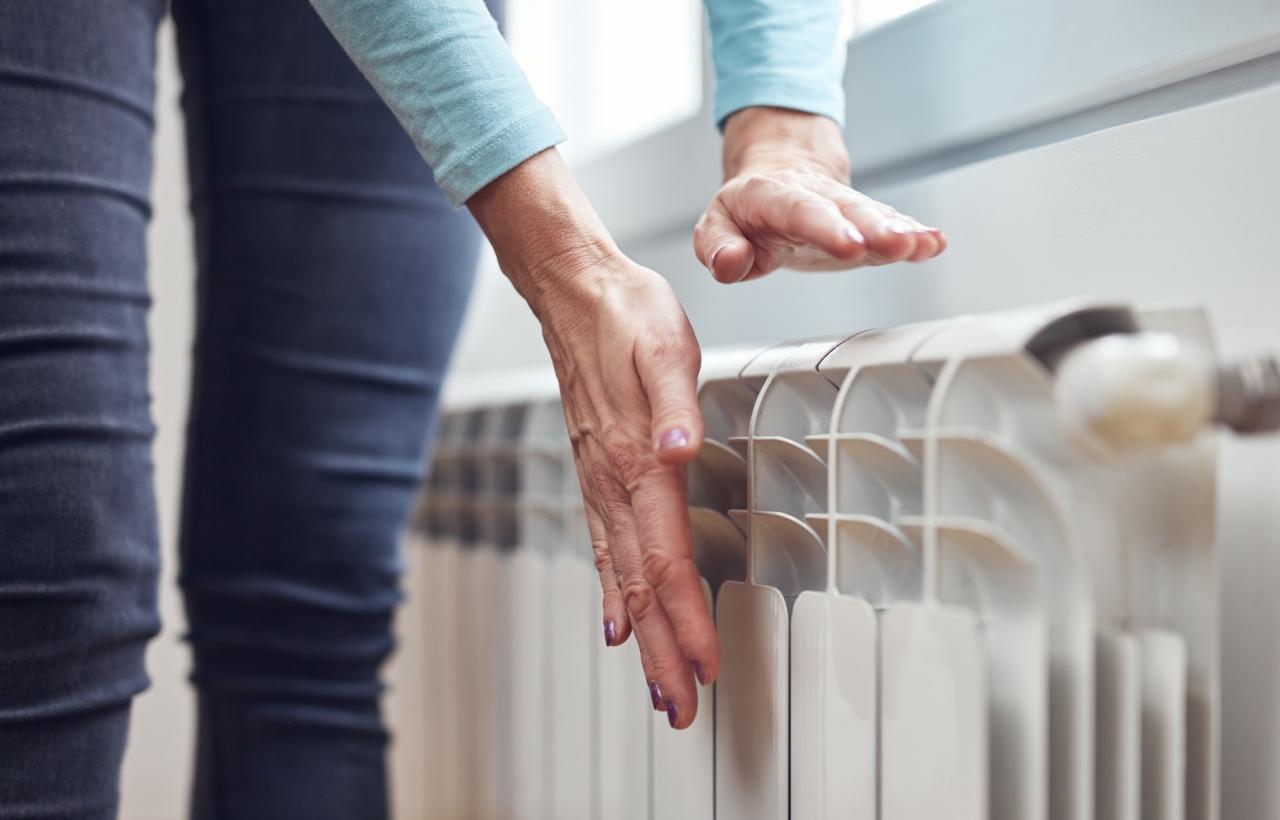
For years, local homeowners could count on a specific rhythm. Late winter was that sweet spot—a "shoulder season" where the AC got a break, the heater wasn't working too hard, and HVAC Houston companies had a rare moment to breathe. It was a time for open windows and low utility bills. But lately, that quiet window has slammed shut.
Across the city, we’re seeing a strange trend: the "late-winter breakdown" is arriving weeks, sometimes months, ahead of schedule. January and February, once the months of routine maintenance, have turned into a flurry of emergency calls. But why is equipment failing now instead of during the peak August humidity? It isn’t just bad luck; it’s a perfect storm of volatile weather, aging infrastructure, and a fundamental shift in how we use our homes in the Gulf Coast region. When you call for HVAC Houston service today, you’ll find that many technicians are already seeing summer-level workloads, but rest assured, at Champion and Nash we have plenty of workers to cover your needs.
Houston has never been known for its stability, but the recent "yo-yo" weather patterns are brutal on mechanical systems. According to recent climate assessments for the Texas 2036 initiative, extreme temperature fluctuations are becoming more common in the region. We’ve moved away from gradual transitions. Now, it’s common to see a 30-degree morning requiring the furnace, followed by a 75-degree afternoon where the humidity spikes and the AC kicks on.
This constant switching puts immense stress on contactors, capacitors, and thermostats. Most systems maintained by HVAC Houston experts are designed for "steady-state" operation. When you force a unit to pivot between modes within a 24-hour cycle, you’re essentially asking a marathon runner to do 100-meter sprints. For a system that’s already several years old, this "weather whiplash" often acts as the catalyst for a total electrical failure.
One of the most frequent complaints handled by HVAC Houston teams lately is short-cycling. This is when your unit turns on and off too quickly without reaching the desired temperature. While it might seem like the system is just being efficient, it's actually a sign of a system in distress.
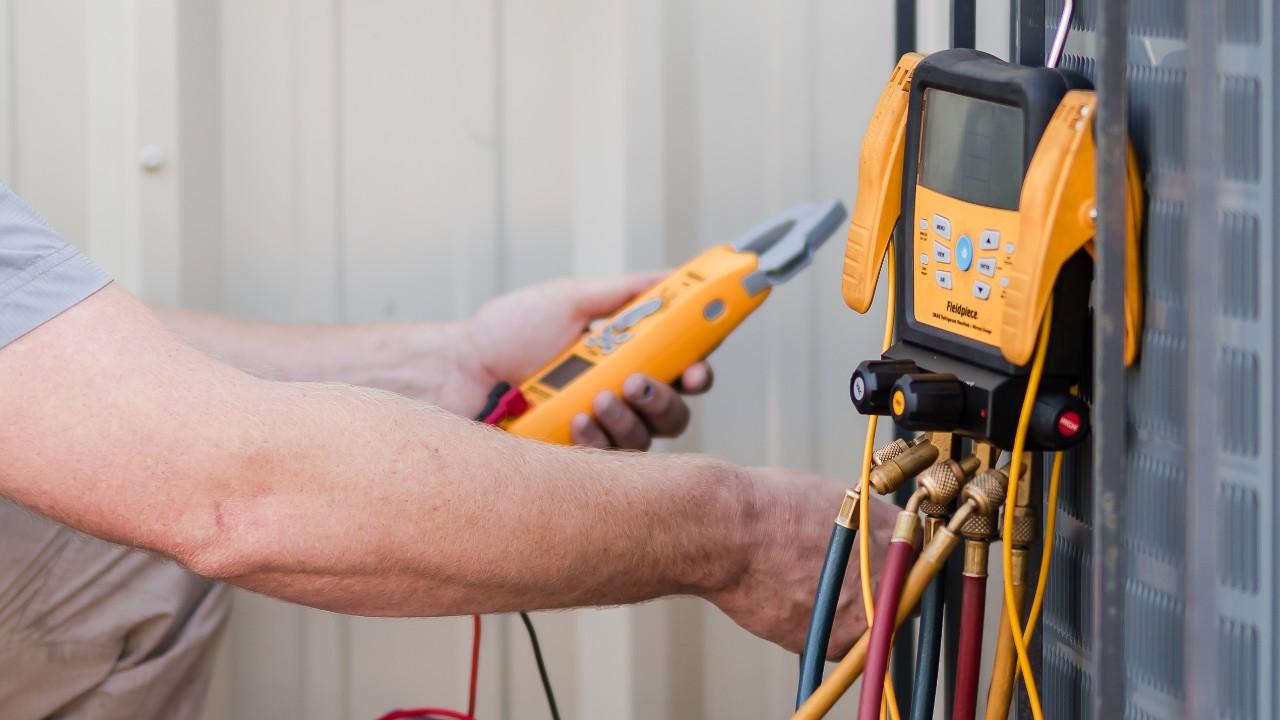
In late winter, this is usually triggered by a mix of dirty filters and fluctuating outdoor temperatures. Because it’s not "cold enough" for a full heating cycle but not "warm enough" for a full cooling cycle, the system gets stuck in a loop. Every time that motor starts up, it draws a massive amount of "inrush" electricity. This is why many HVAC Houston professionals recommend a dedicated winter inspection; do this enough times, and you’re looking at a blown blower motor or a fried control board before spring even arrives.
A common mistake homeowners make is deferring maintenance. Small issues like a cracked heat exchanger or a failing capacitor don't fix themselves; they wait for a high-stress moment to fail completely.
The HVAC Houston market is incredibly competitive, but during a heatwave, wait times can skyrocket. Companies like Champion & Nash, which have served the area for over 40 years, often see emergency calls in February that could have been simple fixes back in November. If you skip a maintenance plan, you’re essentially running your car for 10,000 miles without an oil change and hoping it doesn't break down on a summer road trip.
With the rise of heat pumps in the Greater Houston area, we’re seeing a new set of challenges. These systems are incredible for our climate, but they are mechanically complex. During those humid, chilly late-winter nights, they often flip into "defrost mode" to prevent ice buildup on the outdoor coils.
If a sensor is slightly out of calibration, the system can get stuck in an energy-hogging loop. Finding a specialist in HVAC Houston heat pump repair is essential, as these systems require more nuanced troubleshooting than a standard gas furnace. This complexity is why late-winter breakdowns are becoming more frequent as older tech is replaced by these sophisticated systems.
If you want to avoid being the person on a three-day waiting list when the first 90-degree day hits, there are a few observations you can make right now. Most HVAC Houston companies suggest keeping a close eye on your unit:
By taking these steps and consulting with our established experts at Champion & Nash, you ensure your home stays comfortable despite the city's increasingly unpredictable weather patterns. Modern HVAC Houston solutions are more reliable than ever, but they still require a watchful eye to bridge the gap between the winter chill and the summer swelter.
1. Is it bad for my HVAC to switch between heat and AC on the same day? While modern systems are built to handle both, frequent switching increases wear on the reversing valve. To protect your system, try to use a wider temperature range on your thermostat so it doesn't "bounce" between modes.
2. Why is my electricity bill so high in February even when it’s mild outside? This is often due to "Auxiliary Heat" kicking in on heat pump systems. If the system is struggling to extract heat from damp air, it uses electric heat strips which consume significantly more power.
3. How do I know if my system is short-cycling? If your HVAC turns on and off more than 3-5 times in an hour, it’s likely short-cycling. This is often caused by a dirty air filter, an oversized unit, or a malfunctioning thermostat sensor.
4. When is the best time to schedule a spring tune-up in Houston? Early to mid-February is the "sweet spot." Most major breakdowns happen during the first true "heat wave" in April. By getting an inspection now, you beat the summer rush and ensure small winter-worn parts are replaced early.
5. Should I repair or replace my 12-year-old system if it breaks this winter? In the HVAC Houston market, the average lifespan of a unit is 10-15 years due to high humidity. If a major component fails at the 12-year mark, the cost of the repair usually makes replacement a smarter long-term investment.


