A whole house dehumidifier targets the moisture that standard cooling systems may not fully remove, especially during long humid stretches.
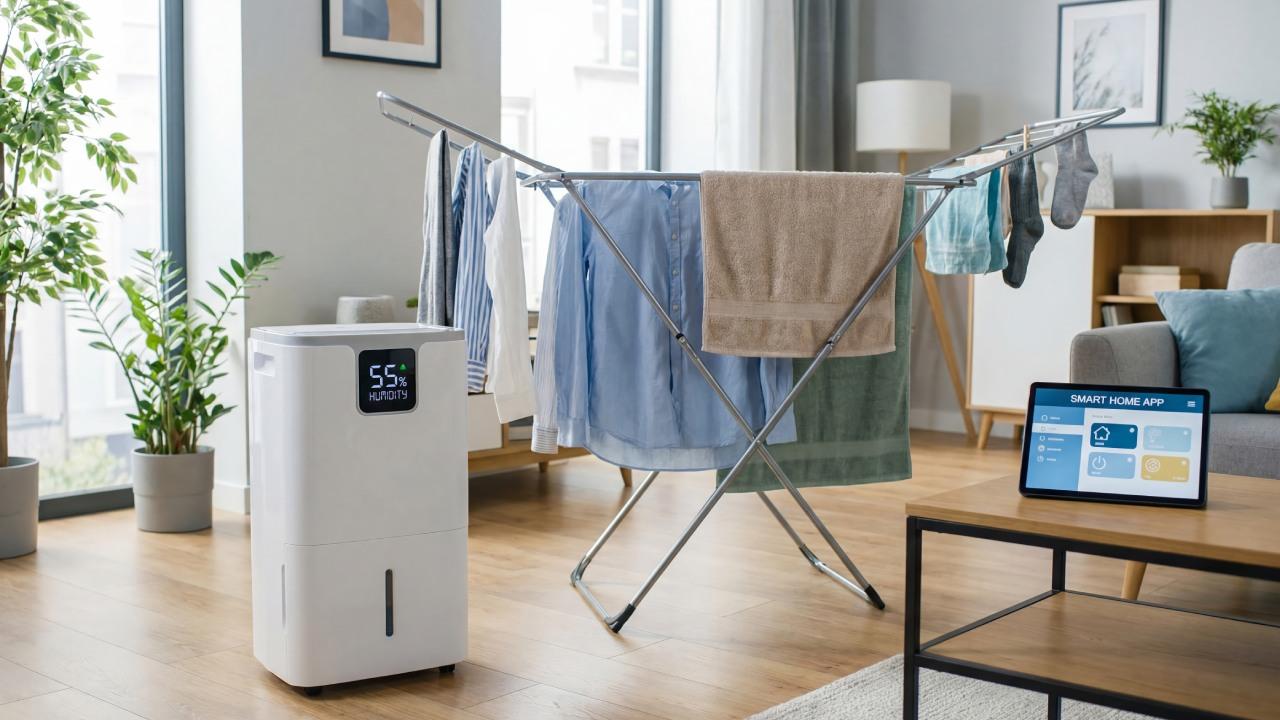
Houston homeowners ask this question for a reason. Sticky rooms, that damp smell in the hallway, condensation near vents, and an air conditioner that seems to run forever can make any home feel uncomfortable. In a climate where heat and humidity often show up together, cooling the house is only part of the job. The air can still feel heavy even when the thermostat says the temperature is fine. That is where a whole house dehumidifier starts to make sense. It targets the moisture that standard cooling systems may not fully remove, especially during long humid stretches.
For many families, the real issue is not whether the system works, but whether it solves enough problems to justify the price. A whole house dehumidifier is not the cheapest indoor air upgrade, so it should earn its place. In the right home, it can improve comfort, help protect surfaces and materials, reduce that muggy feeling, and support better indoor air quality. Champion and Nash works with homeowners across Greater Houston to find practical humidity control solutions that fit real homes, real duct systems, and real budgets. If you have been wondering whether a whole house dehumidifier is worth the cost, the answer depends on how much moisture your home fights every day and how much that moisture is already costing you.
Houston weather puts homes under constant pressure. Warm outdoor air carries a lot of moisture, and that moisture tries to move indoors through leaks, open doors, attics, crawl spaces, and daily living. Cooking, showering, laundry, and even just normal breathing add more water vapor inside the home. When that moisture builds up, the house can feel clammy even if the AC is running.
That is one reason a whole house dehumidifier can be more than a comfort upgrade. It helps manage latent load, which is the moisture load inside the home. Your AC handles temperature and some humidity, but it is not always designed to control indoor moisture on its own in every condition. In shoulder seasons or on mild but humid days, the AC may not run long enough to dry the air well. A whole house dehumidifier fills that gap by actively pulling moisture out of the air throughout the house.
The EPA recommends keeping indoor humidity between 30% and 50%, because higher moisture levels increase the chance of mold and other indoor air problems. Care for Your Air: A Guide to Indoor Air Quality and the EPA’s mold guidance both support that target range. In hot-humid climates, ENERGY STAR guidance on dehumidifiers notes that properly sized whole-home dehumidifiers can improve comfort and air quality, especially when humidity stays above 55% throughout the house.
Portable dehumidifiers can help in one room, but they are rarely a complete answer for an entire house. They need emptying, make noise in the room where they sit, and only treat a limited zone. A whole house dehumidifier connects to your HVAC system or ductwork so it can treat air more evenly across the home. Instead of chasing moisture room by room, it works as part of a larger indoor comfort strategy.
That is a big deal in homes with multiple return paths, varying sun exposure, or problem areas like upstairs bedrooms and closed-off living spaces. A whole-home system can make the entire home feel more balanced. People often describe the difference in simple terms: the house feels cooler at the same thermostat setting, sheets do not feel damp, and that stale smell starts to fade.
Champion and Nash already discusses humidity control as part of its indoor air quality services and broader home comfort solutions. Those services matter in Houston because air quality is not only about dust and filters. Moisture control is part of the same conversation. Champion and Nash also points out in its article on whole home dehumidifier benefits that better moisture control can help reduce musty conditions and protect the home.
Not every house needs one. But there are clear signs that a whole house dehumidifier may be worth serious consideration.
One sign is persistent indoor humidity even when your air conditioner is working. Another is that “cool but sticky” feeling. The temperature may be acceptable, but the comfort is not. That often means the air still holds too much moisture. A dedicated humidity-control system can make a room feel better without forcing you to lower the thermostat more than necessary.
Another sign is recurring musty odors. If closets, hallways, or certain bedrooms smell damp, excess moisture may be sitting in fabrics, drywall, or air pathways. Condensation on windows, visible mildew around vents, or a constant battle with dust mites and allergens can also point to too much indoor humidity. According to the CDC’s mold guidance, when you see or smell mold, the moisture problem has to be fixed, not just cleaned up on the surface.
High humidity can also affect the home itself. Wood flooring, trim, doors, and stored items do not respond well to constant excess moisture. If your AC seems to run and run but the house still feels off, it may be time to look beyond temperature control alone. In those cases, a whole house dehumidifier is not just about comfort. It is about solving the right problem.
The cost question matters. A whole house dehumidifier is a bigger investment than a plug-in unit, so it helps to think of the purchase in categories. You are paying for equipment, proper sizing, professional installation, system integration, drainage setup, and control strategy. Done correctly, the system should work with your HVAC setup, not fight against it.
You are also paying for whole-home coverage. That means one system managing moisture across the house instead of a patchwork of standalone machines. In practical terms, a whole house dehumidifier can reduce the need to overcool your home just to feel comfortable. Many homeowners lower the thermostat because the house feels muggy, not because it is truly too hot. When humidity comes down, comfort often improves at a more reasonable temperature setting.
That does not mean every installation creates dramatic utility savings. The value often shows up in a mix of benefits: better comfort, fewer moisture issues, improved sleep, reduced musty smell, and a home that simply feels healthier. ENERGY STAR says properly sized whole-home units can save energy while improving comfort and preventing mildew and bacterial growth in homes with consistently high humidity. That is an important point. The payoff is usually not one single miracle number. It is the combined value of comfort, protection, and better control.
A whole house dehumidifier is not automatically the right answer for every home. If your humidity problem comes from a basic issue like leaky ductwork, poor insulation, a wet crawl space, or an oversized AC system, those problems should be addressed too. Humidity control works best when the home and HVAC system are evaluated as a whole.
It may also be unnecessary in a house that already maintains healthy humidity levels most of the year. If indoor readings stay in range and you do not have comfort or moisture complaints, the return may be limited. In that case, other upgrades might deserve priority first, such as sealing leaks, improving filtration, or scheduling AC service to make sure the cooling system is operating correctly.
The key is diagnosis. A good contractor should not push a whole house dehumidifier without explaining what problem it is solving and how that solution fits your house. Champion and Nash regularly works on indoor comfort problems in Houston homes and also shares practical guidance through resources like How HVAC Houston Experts Can Improve Your Indoor Air Quality. That broader perspective matters because humidity control should support the whole system, not be sold as a one-size-fits-all add-on.
People often focus on energy use and forget that daily comfort has value too. A whole house dehumidifier can change how the house feels from morning to night. Lower humidity can make indoor air feel lighter, reduce that sticky sensation on skin, and help bedding, upholstery, and clothing feel dry and fresh. For many homeowners, that alone makes the system feel worthwhile.
There is also the indoor air side. The EPA says keeping humidity in the recommended range helps reduce the likelihood of mold growth and other moisture-related indoor air issues. That does not mean a whole-home dehumidification system replaces ventilation, filtration, or cleaning. It means humidity control becomes one important layer in a healthier home strategy.
Then there is home protection. Moisture can quietly damage materials over time. Paint, wood, stored items, and soft surfaces all respond to damp conditions. In Houston, where humidity can feel relentless, this type of system can act like preventive maintenance for the home itself. It helps control the environment indoors even when the weather outside stays heavy for weeks.
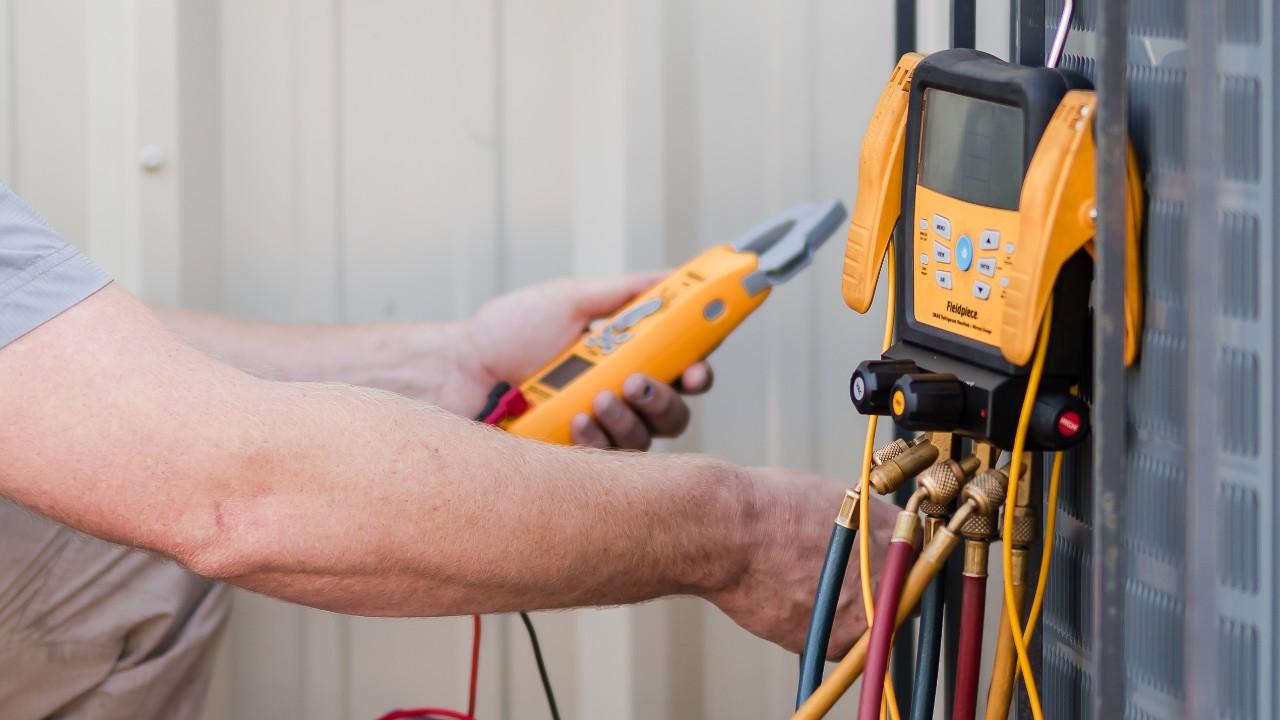
Start with a humidity reading, not a guess. If your indoor humidity often climbs above the recommended range, that is real evidence, not just a feeling. Think about when your house feels worst. Is it after rain? During mild but humid weather? In specific rooms? Those details matter because they show whether the issue is isolated or home-wide.
Next, look at the hidden costs of not fixing the problem. Are you constantly lowering the thermostat? Are there musty smells, damp closets, or recurring comfort complaints from family members? Have you noticed mold spots, condensation, or air that feels heavy no matter how clean the house is? In many homes, those frustrations add up over time. That is where a whole house dehumidifier can start looking less like a luxury and more like a targeted upgrade.
Finally, get a proper evaluation. A professional can look at system size, duct setup, insulation, moisture sources, and current indoor air behavior. In the Houston market, Champion and Nash is well positioned for that kind of assessment because its service lineup already includes indoor air quality solutions, humidity-related services, and broader HVAC support across the region. Their existing content on air conditioning installation for Houston homes also notes that humidity control can be a major part of comfort planning.
So, is it really worth the cost? In many Houston-area homes, yes. If excess moisture is making the house uncomfortable, contributing to odors, stressing indoor air quality, or pushing you to overcool your space, a whole house dehumidifier can deliver meaningful value. It is not the right choice for every property, and it should never be installed without a clear reason. But in the right home, it can solve a problem that temperature control alone does not fix.
This upgrade makes the most sense when humidity is persistent, measurable, and affecting how your home feels or functions. It is worth it when the goal is not just colder air, but better air. For Houston homeowners who are tired of fighting that indoor dampness year after year, this can be one of the smartest comfort upgrades to consider.
If you want a long-term solution instead of another temporary fix, working with Champion and Nash to evaluate your indoor conditions is the practical next step. The best decision comes from understanding your house, your comfort issues, and whether a whole house dehumidifier will solve the problem you actually have.
A whole-home system removes excess moisture from the air across your home instead of only treating one room. It usually connects to ductwork or the HVAC system, helping the house feel less sticky and more comfortable.
For whole-home humidity problems, yes. Portable units are useful in small spaces, but they only cover limited areas and require more hands-on maintenance. A whole-home setup is better for consistent moisture control throughout the house.
It can improve comfort so you may not need to lower the thermostat as much just to feel dry. It also supports moisture control on days when the AC is not running long enough to remove enough humidity.
The EPA recommends keeping indoor humidity between 30% and 50%. That range helps reduce the chance of mold and other moisture-related air quality issues.
For many homes in Houston, it can be. The area’s climate creates long periods of high humidity, and some homes need more moisture control than the AC system can provide by itself.
Common signs include a cool but clammy house, musty odors, window condensation, visible mildew, and indoor humidity readings that stay too high. A professional assessment is the best way to confirm whether the issue is home-wide and whether this solution fits your system.


