The "sweet spot" for Houston AC service is usually late winter or early spring.
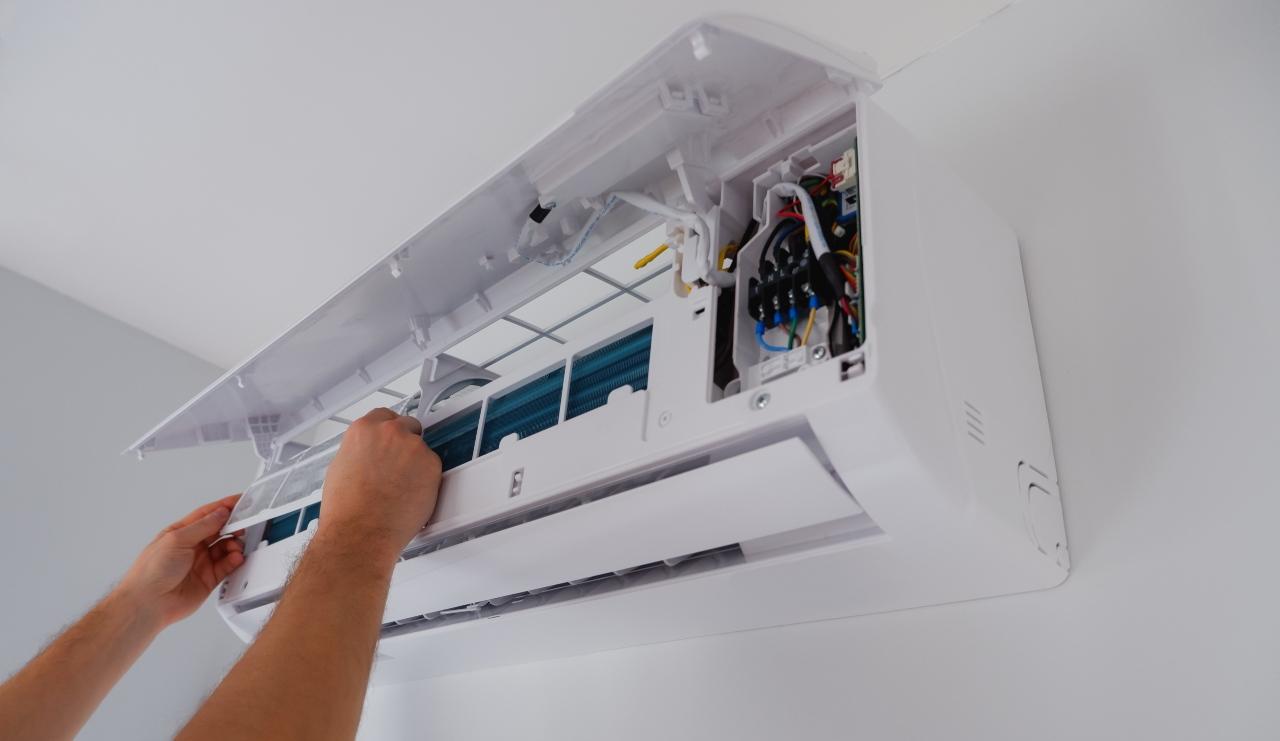
Let’s be real for a second: Houston summers don’t just happen; they attack. If you’ve lived here through August, you know exactly what I mean. Once those triple-digit days actually arrive, every AC unit in the city starts screaming for mercy, and HVAC companies get hit with a tidal wave of emergency calls. This usually ends with two things: a massive repair bill and you sitting in a puddle of sweat while waiting days for a tech to show up. It is a stressful, expensive mess that most people just accept as part of living in Texas.
But here’s the thing—you can dodge that entire nightmare. Just book your maintenance before the rush starts.
The "sweet spot" for Houston AC service is usually late winter or early spring. During this window, technicians aren't frantically running from one emergency to the next, so they can actually take their time looking at your unit. They’ll catch those tiny, annoying issues now—the ones that turn into expensive disasters once the humidity kicks in. Planning ahead isn't just about saving cash; it's about keeping your sanity when the Texas sun starts cooking the sidewalk.
This guide walks through why early maintenance is a game-changer, how it pads your wallet, and why it’s honestly the best decision a Houston homeowner can make.

Houston’s climate is weirdly brutal on machinery. We deal with insane humidity and cooling seasons that seem to last forever. When your unit has to run 24/7 without a break, even a speck of dust can cause a total system collapse. Think of it like a marathon runner; if they never stop to hydrate or check their shoes, they’re going to collapse eventually.
Getting a pro out during the off-season lets them tune things up while the system isn't under pressure. It’s also about availability. In July, companies have to prioritize houses that are already 90 degrees inside. If you just want a routine "check-up" then? Good luck. Early spring—specifically late February to early April—is the perfect time to get fast, flexible service before the madness starts.
The biggest perk of early maintenance? It keeps your money where it belongs: in your pocket. When demand is low, you avoid those "emergency" or "after-hours" surcharges that pop up in June.
Staying on top of tune-ups also stops that "domino effect" of repairs. Finding a loose wire or a dirty coil in March might cost a few bucks; letting it fry your compressor in August will cost thousands. Plus, a clean system just runs better. You’ll notice lower energy bills immediately because your AC doesn't have to "fight" to cool your living room.
The EPA even points out that keeping your HVAC in top shape is crucial for healthy indoor air. According to the U.S. Department of Energy, regular maintenance is the number one way to cut cooling costs and stop your system from dying young. You're basically extending the life of your expensive equipment by years just by being proactive.
It isn't just a residential problem. For business owners, an AC failure is a financial disaster. Retail shops, restaurants, and offices rely on a cool environment to keep customers coming through the door. Following ENERGY STAR guidelines for early service helps businesses avoid unplanned downtime that can hurt their reputation and their bottom line.
When’s the absolute cheapest time for service? Aim for late February to early April. It’s the "off-season," and prices are usually way more competitive.
Does it matter if my AC feels fine right now? Yes! Most AC problems are silent killers. They build up slowly and only cause a total breakdown when the unit is under maximum stress during a heatwave.
How long does a tune-up take? Usually an hour or two. It’s a small time investment that saves a lot of massive headaches later.


