When hvac smells musty, it is usually a sign that moisture is present somewhere it should not be.
A musty odor coming from your heating and cooling system is one of those problems homeowners notice right away. It often shows up when the system first turns on, after heavy rain, or during long periods of humidity. Many people describe it as a damp basement smell or old socks moving through the vents. When hvac smells musty, it is usually a sign that moisture is present somewhere it should not be.
In humid climates, this issue is especially common. Warm air holds moisture, and HVAC systems constantly move that air through ductwork, coils, and drain lines. If any part of the system cannot dry out properly, odors can form and spread through the house. When hvac smells musty, it does not always mean mold is growing, but it does mean something needs attention.
Some homeowners ignore the smell, assuming it will fade on its own. Others mask it with candles or air fresheners. Neither approach fixes the root problem. When hvac smells musty, the system is often telling you there is trapped moisture, restricted airflow, or a cleaning issue that needs to be handled before it becomes more serious.
Moisture is the most common cause of musty HVAC odors. Air conditioners remove humidity from the air as they cool your home. That moisture has to drain away properly. If it does not, it can sit inside the unit or ductwork.
When hvac smells musty, standing water is often present in the drain pan or nearby components. Over time, damp surfaces create odors that get pushed through the vents every time the system runs. High humidity makes this problem worse, especially if the system cycles frequently but does not run long enough to fully dry out.
Routine maintenance helps reduce moisture buildup. Keeping drain lines clear and ensuring the system drains correctly is key to preventing odor issues.
Air filters trap dust, pollen, and debris as air moves through the system. When filters become dirty, they can hold moisture as well. A damp, dirty filter is a perfect place for musty smells to develop.
If hvac smells musty, one of the first things to check is the air filter. A clogged filter also restricts airflow, which means moisture stays in the system longer than it should. This combination leads to odor buildup and reduced efficiency.
Replacing filters on schedule is one of the easiest ways to prevent smells. Homeowners who stay consistent with scheduled HVAC maintenance plans often avoid repeat odor issues tied to moisture and airflow problems. In humid areas, filters may need to be changed more often than expected.
The evaporator coil plays a major role in cooling your home. It also collects condensation during normal operation. If the coil stays wet or dirty, mold or mildew can begin to grow.
When hvac smells musty, the evaporator coil is often involved. Odors from microbial growth on the coil spread quickly because all cooled air passes over it. Even a small amount of buildup can create a noticeable smell.
Professional cleaning is usually required to address coil-related odor problems. In many cases, a technician performing air conditioning repair service will inspect and clean the evaporator coil as part of diagnosing musty odors. Regular inspections help catch issues early before smells become strong.
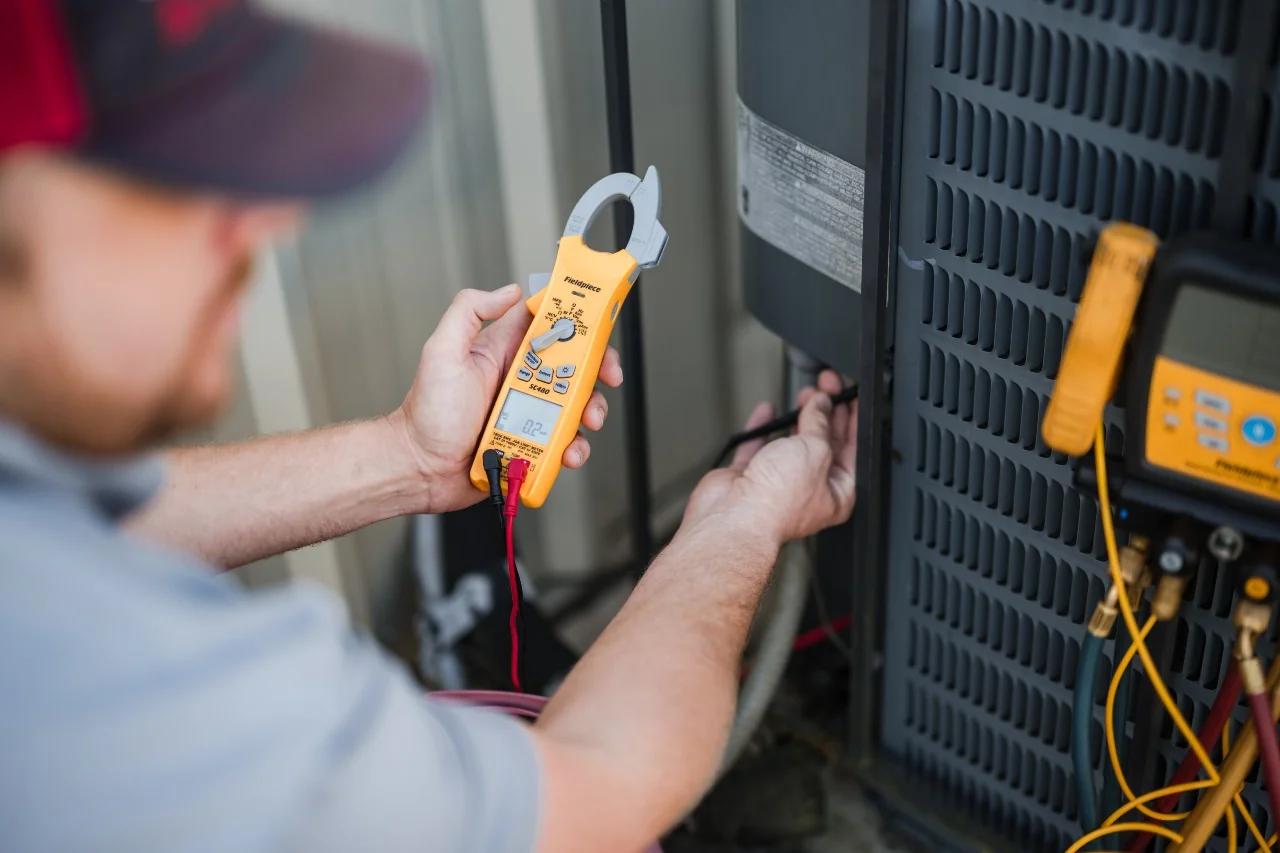
The condensate drain line carries moisture away from the HVAC system. If it becomes clogged with algae, dirt, or debris, water can back up into the unit.
When hvac smells musty, a blocked drain line is a common culprit. Standing water inside the system leads to damp conditions and unpleasant odors. In some cases, improper drain line installation can also cause water to pool instead of draining fully.
Keeping the drain line clear helps prevent water damage, odors, and system shutdowns caused by overflow safety switches.
Ductwork moves air throughout your home, but it can also trap dust and moisture. Leaky ducts, poor insulation, or low airflow can allow condensation to form inside the duct system.
If hvac smells musty, the odor may be coming from inside the ducts rather than the main unit. Older ductwork or ducts located in attics and crawl spaces are especially prone to moisture issues.
Duct inspections can identify leaks, insulation problems, or contamination that contribute to ongoing odors. Homes with persistent smells often benefit from a full system evaluation during a professional HVAC inspection.
HVAC systems that sit unused for long periods can develop musty smells. When air is not moving regularly, moisture does not evaporate as it should.
When hvac smells musty, it sometimes happens at the start of a new season when the system is turned on after weeks or months of inactivity. Dust and moisture that settled during downtime can create temporary odors.
Running the system periodically and keeping humidity levels under control helps prevent this type of smell from returning.
Indoor humidity levels play a big role in odor issues. If humidity stays too high, HVAC components never fully dry.
When hvac smells musty, it often points to a larger humidity control issue in the home. This may be caused by undersized equipment, poor ventilation, or excessive moisture entering from outside.
Addressing humidity through proper system sizing, ventilation improvements, or dehumidification can reduce odors and improve comfort. Solutions focused on indoor air quality improvements are especially effective in humid environments.
Why Musty HVAC Smells Should Not Be Ignored
When hvac smells musty, it is more than just an annoyance. Odors often indicate conditions that can affect indoor air quality and system lifespan. Moisture-related issues can lead to corrosion, electrical problems, and reduced efficiency over time.
Ignoring the smell may allow minor problems to grow into costly repairs. Early diagnosis helps prevent damage and keeps the system running reliably.
Routine service plays a major role in preventing odor problems. Scheduling regular inspections through a professional HVAC maintenance program helps keep drain lines clear, coils clean, and airflow balanced. Many homeowners rely on ongoing care plans such as routine HVAC maintenance to reduce long-term moisture issues before smells develop.
Regular HVAC maintenance focuses on cleaning, drainage, airflow, and humidity control. These are the same factors that contribute to musty smells.
If hvac smells musty, scheduling a professional inspection can identify the source and prevent repeat issues. Maintenance also improves energy efficiency and extends equipment life.
If basic steps do not resolve the issue, professional help is often required. A trained technician can evaluate airflow, drainage, and internal components more thoroughly. Homeowners dealing with persistent odors often benefit from professional HVAC repair services that focus on moisture-related system problems.
Some causes of musty smells are easy to address, such as replacing a filter. Others require specialized tools and training.
When hvac smells musty and the odor does not go away after basic steps, professional service is the safest option. A trained technician can inspect coils, drain lines, ductwork, and humidity levels to pinpoint the issue.
Long-term odor prevention starts with controlling moisture and keeping the system clean. Proper humidity management, sealed ductwork, and correctly sized equipment all play a role. In homes with ongoing comfort issues, improving overall indoor air quality through indoor air quality solutions through targeted HVAC solutions can significantly reduce musty smells over time.
Keeping humidity balanced, changing filters regularly, and scheduling routine maintenance are the best ways to prevent odors. Ensuring proper airflow and drainage also plays a major role.
When hvac smells musty, it is often a sign that one of these areas has been overlooked. Addressing it early helps keep your home comfortable, clean, and healthy year-round.


