This guide breaks down the warning signs that show up before a breakdown, and when it’s time to schedule HVAC Repair.
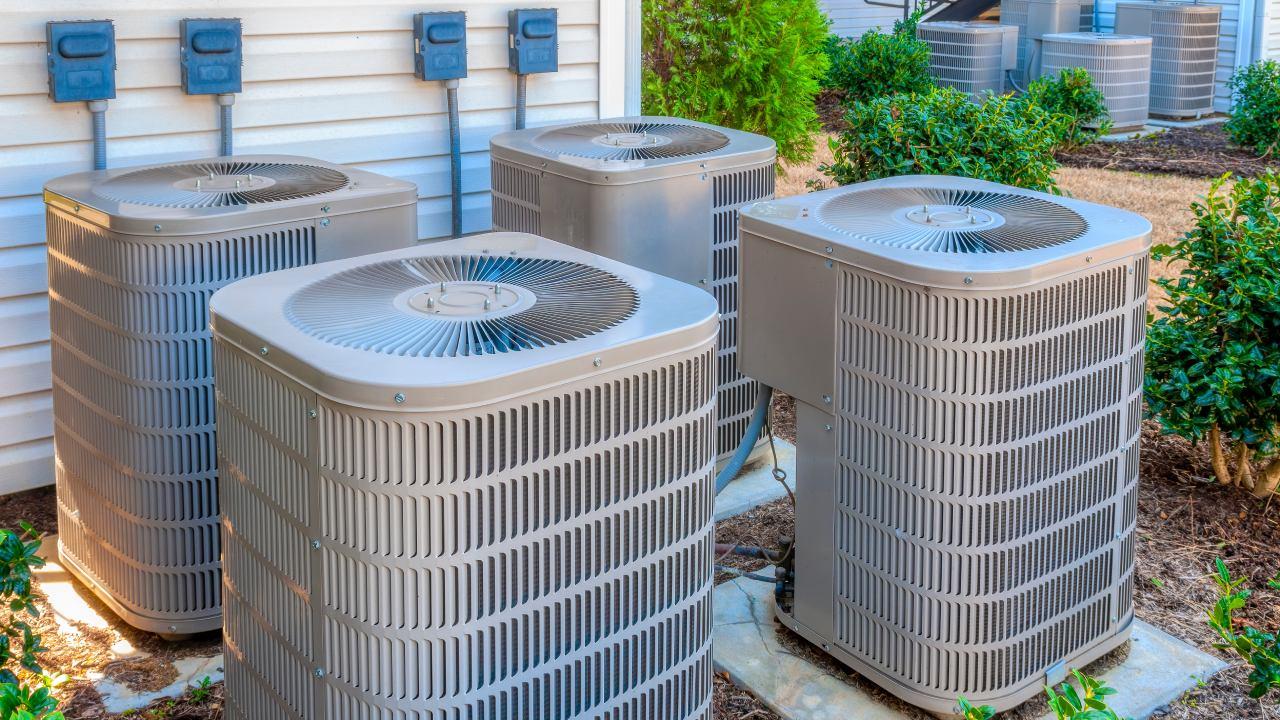
Spring TX, homes don’t usually get a long, gentle “warning season.” Your system can run hard for cooling most of the year, then get hit with a cold snap that asks it to do something different overnight. That’s why the earliest clues matter. Our specialists will break down the warning signs that show up before a breakdown, what they often mean, and when it’s time to schedule HVAC Repair.
A lot of people wait for a full failure because the system is “still running.” But running isn’t the same as working. When you act on the small symptoms, you typically avoid bigger parts failures, avoid comfort swings, and avoid the kind of emergency call that always seems to happen on the hottest afternoon or the coldest night. The goal here is simple: help you spot the problems that push you toward HVAC Repair before the damage spreads.
Before anything “breaks,” comfort usually changes in small, annoying ways. The tricky part is that Houston weather can mask the symptom for a few days. A warm afternoon might make a borderline system feel fine because it runs longer, while a mild day might expose short cycling or humidity problems. Pay attention to patterns, not one-off moments.
One practical test: pick one day each week to do a quick home walk-through. Stand at a few supply vents, feel airflow, listen for changes at start-up, and notice whether the thermostat holds steady. Consistency is what healthy equipment looks like.
A quick way to narrow this down is to check whether doors are usually closed, whether blinds face harsh afternoon sun, and whether the return vent in that area is blocked. If the room has a return, make sure it’s pulling air (a tissue test works: it should lightly stick to the grille). If there is no return in that room, the imbalance can show up more easily—especially in older homes with long duct runs.
If the room is farthest from the indoor unit, weak airflow may point to a duct restriction, crushed flex duct in an attic, or a damper that has drifted out of position. These issues can also increase static pressure, which makes the blower work harder and shortens its life.
A single room that’s consistently warmer or colder can be an airflow issue, a duct leak, a return problem, or a system that’s losing capacity. If it’s new, don’t assume it’s “just that room.” That imbalance is often the first sign you’ll need HVAC Repair, especially if it worsens over a few weeks.
On mild days, a struggling system often points to a control or airflow problem rather than “normal Texas heat.” Check that your thermostat isn’t in a recovery program that is constantly chasing a schedule. If you have a smart thermostat, look at the runtime history. Long runtimes on a mild day can hint at dirty coils or a system that’s undercharged.
Also consider the basics of your home: attic insulation gaps, leaky doors, and unsealed return plenums can all make the equipment look weaker than it is. A good technician will separate “building load” problems from mechanical problems so you’re not paying to fix the wrong thing.
When it’s 75°F outside, your equipment should not struggle to maintain a comfortable set point. If you notice the thermostat drifting up in the afternoon or dropping too low at night, you may have a control issue, a refrigerant problem, or a dirty coil. These are common causes behind an HVAC Repair visit.
Humidity problems often show up as foggy windows, a slight mildew smell in closets, or sheets that feel damp. If your fan is set to “ON” instead of “AUTO,” it can re-evaporate moisture off the coil between cycles and make the house feel clammy. Switching the fan back to AUTO is a safe first step.
If the issue persists, the system may be oversized (cooling the air too quickly without dehumidifying enough) or it may be short cycling due to a sensor or airflow issue. Dehumidification is also impacted by duct leakage: pulling humid attic air into returns will make the system feel like it never catches up.
In Houston, humidity control is half the battle. If the house feels clammy, the system might be short cycling, oversized, or running with restricted airflow. It can also signal a failing blower or a dirty evaporator coil.
Your ears can catch problems faster than most dashboards or smart apps. What matters is “new” sounds or sounds that are changing. A unit that has always had a soft hum may not be a concern. A unit that suddenly buzzes loudly, starts slowly, or rattles under load is telling you something.
If you’re troubleshooting safely, listen at two moments: right when the system starts and right when it shuts off. Many electrical and compressor issues show up at those transition points.
Buzzing can point to a failing capacitor, a struggling contactor, or a fan motor that’s working too hard. Those issues often start small and then take the unit down fast. If the sound is new, it’s worth booking HVAC Repair sooner rather than later.
High-pitched noises often come from motor bearings or blower issues. These rarely “go away on their own.” They usually get worse until you’re forced into HVAC Repair during a peak-demand day. A bang can be duct expansion, but it can also be a loose component or a compressor issue. If the bang repeats, don’t ignore it.
Musty odors can come from microbial growth on coils, a wet drain pan, or duct issues. Besides being unpleasant, it often means the system is staying wet too long or not draining properly. If you can’t identify the smell quickly, don’t keep “testing it.” Electrical smells can come from a motor that’s overheating, a failing capacitor, or a loose connection that is arcing under load. Those are the kinds of failures that can damage a control board or wiring harness. If you ever see smoke, turn the system off at the thermostat and the breaker, then call a professional.
For gas furnaces, a sharp smell combined with odd operation can also point to combustion or venting problems. That’s not a DIY situation. A brief “dust burn” smell at the start of heating can be normal. A persistent burning smell is not. That can be electrical overheating, a motor problem, or wiring damage. Turn the system off and call for HVAC Repair.
If you’re replacing filters and still seeing dust build up quickly, you may have duct leakage, return-side issues, or airflow that’s pulling from the wrong places. Sometimes it’s sealing and balancing, not cleaning.
Short cycling is one of the most damaging patterns for an HVAC system. It can be caused by thermostat placement, low refrigerant, dirty coils, or electrical issues. Every rapid start is wear and tear. If you notice short cycles, treat it as an urgent HVAC Repair issue. Weak airflow can be a clogged filter, a dirty blower, blocked returns, duct restrictions, or a failing motor. The longer you run a system with restricted airflow, the more likely you’ll see frozen coils, overheating, or compressor damage.
A useful way to verify this is to compare similar weeks year over year (or month over month) rather than looking at a single bill. If your utility provider offers daily usage, watch for the “flatline” of high consumption even on mild days.
Efficiency losses often come from:
None of these are “mystery problems,” but they do require proper testing to confirm.
If your usage is similar but your bills jump, your system is losing efficiency. Dirty coils, low refrigerant, failing capacitors, and airflow restrictions are common culprits. Getting HVAC Repair diagnostics early can stop the trend.
Capacitors, contactors, relays, and wiring connections take a beating in Houston heat. They don’t always fail instantly. They drift. That “drift” is when you hear buzzing, see slow starts, or notice the system struggling to kick on. Airflow restrictions can cause icing, and icing can lead to compressor damage. That’s why filters, returns, duct condition, and blower performance matter so much.
If cooling capacity drops and you suspect low refrigerant, it’s rarely “just low.” Refrigerant doesn’t get used up; it leaks. The right approach is leak detection and repair, then charging to spec—real HVAC Repair, not a quick top-off.
Sometimes the indoor fan runs while the outdoor unit is off, which feels like the system is blowing room-temperature air. Look outside: you should hear the compressor and see the fan spinning. If the fan is still but the unit is humming, turn it off and call a professional—forcing it can damage the motor.
In humid months, a clogged drain can trip a float switch and shut the system down. If you see water around the indoor unit or in the overflow pan, don’t keep resetting it. Water leaks can damage ceilings and create mold risks. A technician can clear the drain and confirm the slope and trap are correct.
Ice can show up on the larger insulated copper line at the outdoor unit or at the indoor coil area (sometimes you’ll see sweating or frost near the cabinet). If you suspect icing, turn the cooling off and set the fan to AUTO. Running the fan continuously can sometimes make the melt faster, but if airflow is weak, you can still end up with water overflow. The important part is: icing is a symptom, not the root cause. Before you call, confirm your thermostat is set correctly, replace the filter (if it’s due), and make sure supply/return vents aren’t blocked by furniture. If that fixes it, great. If not, you’ve ruled out the basics.
A tripped breaker is a symptom. Resetting it repeatedly can increase the chance of electrical damage. If it trips again, stop and book HVAC Repair.
Write down when the issue happens, what the thermostat reads, and any noises or smells. This helps a technician diagnose the problem quickly.
If a noise, short cycling, or humidity issue sticks around, it’s not “just the weather.” Repeated symptoms mean something is deteriorating. A timely HVAC Repair call is usually cheaper than waiting for a full failure. Older equipment can still run well, but when multiple signs show up at once—weak airflow, strange sounds, temperature swings—it often means more than one component is wearing out. Shoulder season is the best time to catch problems because the system isn’t under maximum strain. If it struggles during mild weather, it will usually struggle more in the next heat wave.
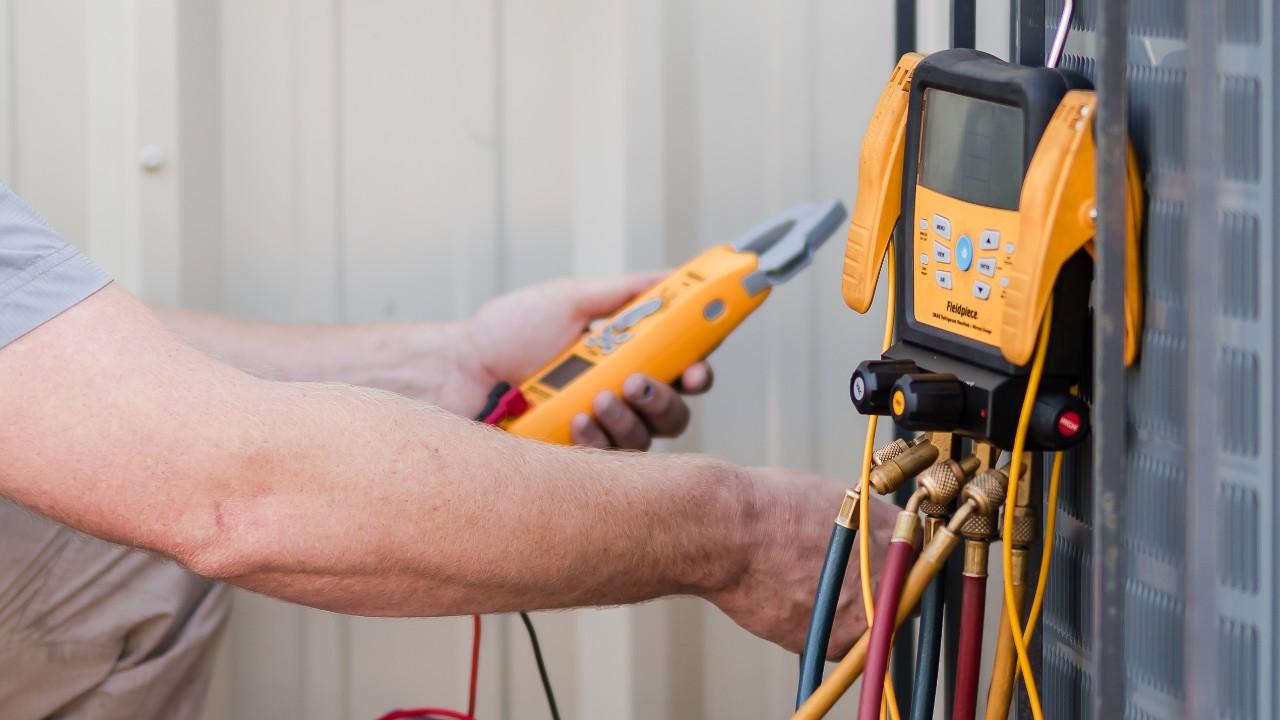
When you book service, the goal should be clarity, not guesswork. The best visits feel structured: you see measurements, you get an explanation you can follow, and you understand which options are “must do now” versus “nice to do later.”
A strong diagnostic normally includes:
That process prevents two common frustrations: paying for a part that wasn’t the real problem, or replacing multiple parts one-by-one until the system finally behaves.
If you want to see common cooling issues and how they’re handled, review Champion and Nash’s AC repair services.
If you’re dealing with heating-side symptoms—like startup noises, delayed ignition, or weak heat—see the overview of heating services.
And if your home uses a heat pump, the heat pump services page is a helpful reference for dual-mode problems that show up when temperatures swing.
On the public side, it’s not just homeowners dealing with aging systems. Local reporting has highlighted how older HVAC infrastructure can struggle during demand spikes and cold snaps; Click2Houston covered a major district plan to address aging HVAC systems and controls across dozens of schools in this local news report.
Short cycling, weak airflow, humidity that won’t come down, new buzzing or banging noises, and temperature swings room to room are the big ones.
Sometimes it’s a setting or a clogged filter, but warm air can also point to electrical trouble or a refrigerant leak. If basic checks don’t help, schedule HVAC Repair.
Afternoon heat increases load. If your system is already losing capacity due to dirty coils, low refrigerant, or airflow restrictions, the problem shows up at peak heat.
Many homes do well with a monthly check and replacement every 30–90 days, depending on filter type, pets, and dust. Keeping airflow healthy reduces HVAC Repair risk.
Yes. Low refrigerant, airflow restrictions, or both can cause coil icing. Icing means you need HVAC Repair, not just a “let it thaw” solution.
Turn the system off and call a professional. Persistent burning smells can indicate electrical overheating. This can require urgent HVAC Repair.
If the system is old, uses obsolete refrigerant, or has a major compressor or heat exchanger issue, replacement might be smarter. A diagnostic HVAC Repair visit is how you make that call with real data.
They can. A weak capacitor can stress a compressor. A clogged drain can cause water damage. Restricted airflow can freeze coils and damage major components. Addressing early signs with timely service is the simplest way to avoid bigger failures.
Keep filters on a schedule, keep vegetation clear around the outdoor unit, and make sure supply and return vents stay open. If you travel often, avoid extreme thermostat setbacks that force long recovery runs. The less your system has to “sprint,” the longer it tends to last.
Share what you notice and when it happens: “buzzing at start-up,” “room-to-room temperature difference,” “runs for five minutes then stops,” or “humidity is high even when it’s cool.” Clear descriptions help the tech bring the right parts and test the right things first.


