The cold snap didn’t introduce new issues as much as it exposed existing ones that had been quietly building over time.
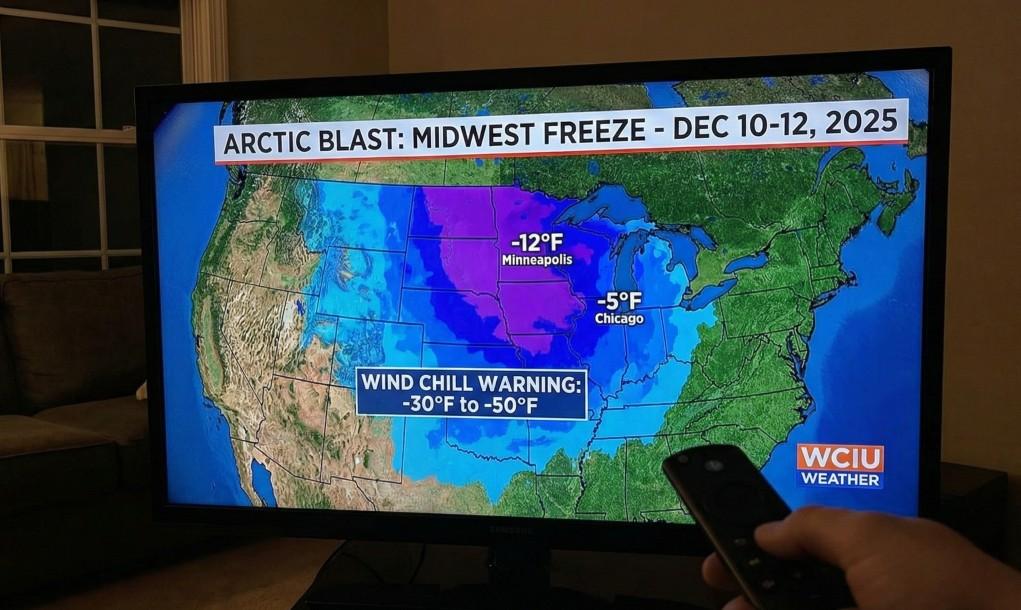
Houston homeowners are used to mild winters. Most years, heaters run only a handful of days, sometimes weeks at most. Because of that, heating systems in this area often become an afterthought. Air conditioning gets the attention. Heating gets ignored. This recent cold snap changed that quickly.
When temperatures dropped fast and stayed low, many Houston homes discovered problems they didn’t know they had. Systems that worked fine last winter suddenly struggled. Others failed outright. The cold snap didn’t introduce new issues as much as it exposed existing ones that had been quietly building over time.
In a region not built for sustained cold, even a short cold snap can reveal serious weaknesses. This article explains why Houston homes are especially vulnerable, what heating problems showed up most often, and how homeowners can prepare before the next cold snap arrives.
In colder parts of the country, heating systems run for months. In Houston, heaters can sit idle for most of the year. That inactivity is one of the biggest reasons problems go unnoticed. Dust settles on burners. Electrical connections loosen slightly. Sensors drift out of calibration. Small issues stay hidden because the system rarely runs long enough to expose them.
When a cold snap arrives, the heater suddenly runs for hours at a time. That sustained demand is often when those hidden problems surface.
Houston cold snaps tend to arrive quickly. One day may feel comfortable, the next brings freezing air. That rapid change forces heating systems to ramp up immediately. Ignition components, blower motors, and safety controls are pushed harder than they’ve been in months.
Systems that haven’t been inspected or serviced often can’t handle that sudden workload.
Many Houston homes are designed with cooling in mind. Duct layouts, insulation strategies, and airflow patterns often prioritize air conditioning efficiency. During a cold snap, that same design can work against the heating system.
Heat escapes faster. Cold spots appear. Systems run longer to maintain comfort, increasing wear and energy use.
One of the most common issues exposed during the cold snap was system age. Heating equipment older than 12 to 15 years showed higher failure rates. Cracked heat exchangers, weak igniters, failing blower motors, and worn electrical components were frequent findings.
Many homeowners who called for emergency service learned that repair was no longer the safest or most cost-effective option. In those situations, discussing professional professional furnace repair in Houston helped clarify whether repair or replacement made more sense.
Another major issue was skipped maintenance. Dirty burners, clogged filters, and loose wiring don’t always cause immediate problems. Over time, however, they reduce efficiency and increase failure risk.
During the cold snap, systems with poor maintenance histories were far more likely to shut down. Homeowners enrolled in a scheduled heating maintenance plan experienced fewer breakdowns and faster recovery.
Thermostats were a surprising weak point during the cold snap. Older models struggled to maintain accurate temperatures. Some failed to communicate properly with the heating system. Others had wiring issues that only became apparent when the system ran continuously.
In several homes, the heating equipment itself was functional, but faulty controls prevented it from operating correctly.
Leaky or poorly insulated ductwork became far more noticeable during the cold snap. Homes with uneven heating, cold bedrooms, or rising energy bills often had hidden duct issues in attics or walls.
When heated air escapes before reaching living spaces, the system compensates by running longer. That added runtime increases wear and raises utility costs.
Any fuel-burning heating system carries carbon monoxide risk. During the cold snap, cracked heat exchangers and blocked exhaust vents created dangerous conditions in some homes.
Carbon monoxide detectors should always be installed and tested, especially when heaters operate for extended periods. Annual inspections are critical for identifying these hazards before they become emergencies.
Electric heaters and heat pumps draw significant power during cold weather. In homes with older wiring or undersized electrical panels, breakers tripped repeatedly. In some cases, overheating wires created fire risks.
Professional inspections help identify these issues before a cold snap places the system under full load.
Preventive maintenance remains the most effective way to avoid breakdowns. A professional inspection checks safety controls, cleans critical components, and identifies worn parts early.
Homeowners who schedule service ahead of time are far less likely to need emergency repairs when temperatures drop.
Unusual noises, short cycling, uneven heating, or rising energy bills are all signs something isn’t right. Addressing these issues early can prevent system failure during the next cold snap.
Sealing duct leaks, adding insulation, and upgrading thermostats all help heating systems perform better in cold weather. These improvements reduce strain during a cold snap and improve comfort year-round.
When a cold snap hits, service demand rises fast. Having a trusted local HVAC company selected ahead of time reduces stress and downtime. Many homeowners rely on Champion and Nash for timely service when cold weather puts heating systems to the test.
Some systems exposed during the cold snap were simply beyond repair. Frequent breakdowns, safety concerns, and rising repair costs often signal that replacement is the smarter long-term solution.
A professional evaluation helps homeowners weigh repair versus replacement based on system age, efficiency, and overall reliability.
A cold snap forces heating systems to operate longer and harder than usual. Components weakened by age or lack of maintenance often fail under sustained demand.
Annual heating maintenance is recommended, even in mild climates. Regular service ensures systems are ready when a cold snap arrives.
Heat pumps can struggle in colder conditions if not properly maintained. Backup heat and defrost cycles must work correctly to prevent performance issues.
Yes. Leaky or poorly insulated ducts can waste a large portion of heated air, forcing systems to run longer and increasing energy costs.
Preparation should happen in fall, before temperatures drop. Waiting until a cold snap begins often means longer wait times for service.
For general guidance on heating efficiency and cold weather energy use, the U.S. Department of Energy Energy Saver program provides reliable homeowner resources.
Houston’s winters may be unpredictable, but preparation doesn’t have to be. This recent cold snap made one thing clear: heating systems in Houston still matter, and ignoring them can lead to costly and uncomfortable consequences.


