Emergency HVAC Repair in Houston service becomes critical, especially in a city where indoor temperatures can become unsafe fast.
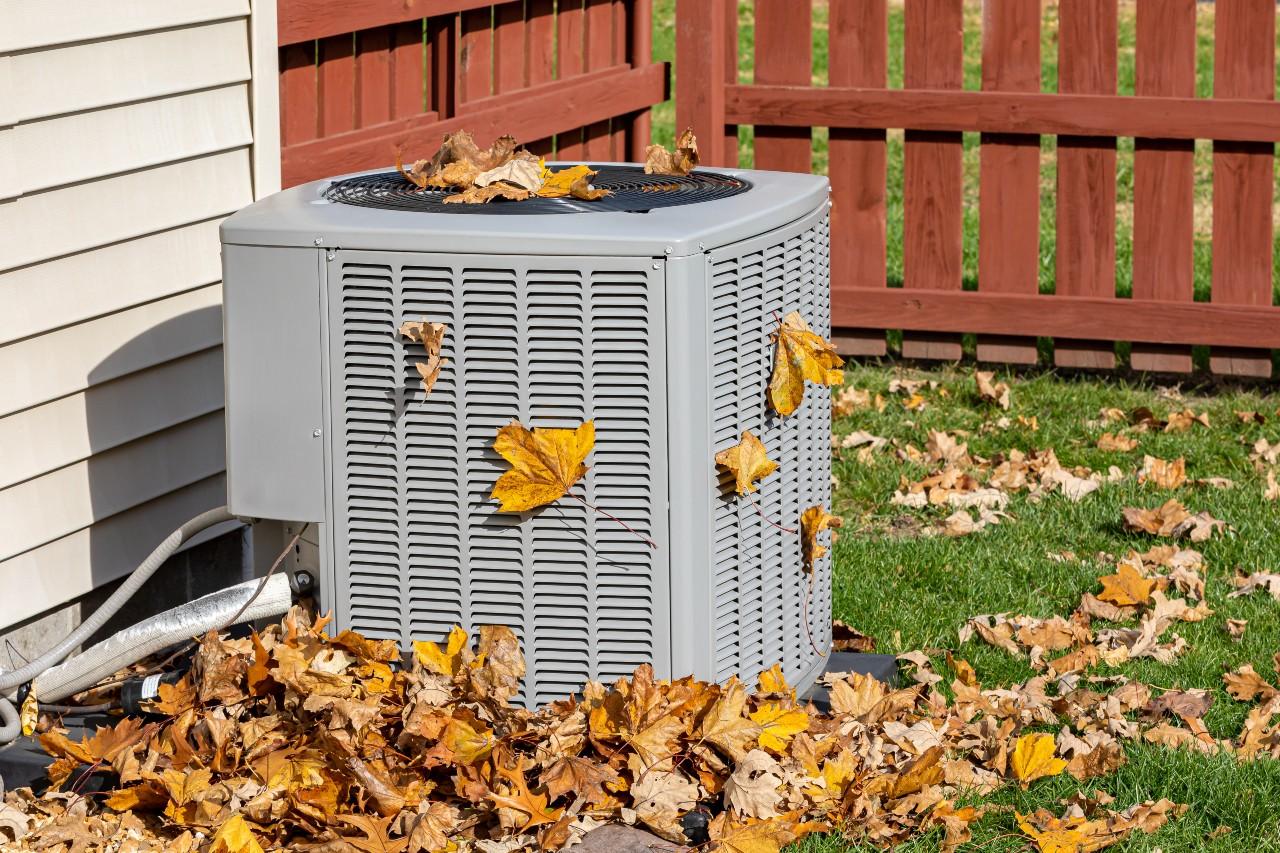
Houston homeowners know that HVAC problems rarely happen at a convenient time. Systems tend to fail during extreme heat waves, sudden cold snaps, or late at night when reliable help feels harder to find. When cooling or heating stops working without warning, comfort quickly turns into urgency. That’s where Emergency HVAC Repair in Houston service becomes critical, especially in a city where indoor temperatures can become unsafe fast.
Emergency HVAC repair in Houston is not just about restoring comfort. It is often about protecting health, preventing property damage, and avoiding bigger system failures. High humidity, aging equipment, and nonstop seasonal use all contribute to unexpected breakdowns. Understanding when a problem qualifies as an emergency and how to respond can make a real difference.
This guide explains what counts as an HVAC emergency, why quick response matters in Houston homes, and how professional emergency service protects your system. It also walks through common warning signs, what to expect during an emergency visit, and how to reduce the chances of another urgent breakdown.
Not every HVAC issue requires immediate service, but some situations should never wait. In Houston’s climate, delays can quickly lead to unsafe indoor conditions.
When an air conditioner stops working during a summer heat wave or a heater fails during a winter cold front, the situation escalates quickly. Indoor temperatures can rise or fall to dangerous levels within hours, especially for children, seniors, and pets. In multi-story homes, upper floors can become unbearable even faster due to trapped heat.
In Houston, extended exposure to extreme indoor temperatures can also damage electronics, furniture, and building materials. Homes with poor ventilation or older insulation are especially vulnerable. Emergency HVAC repair in Houston becomes necessary when comfort turns into a health and safety risk, not just an inconvenience.
Any burning smell coming from vents or the unit itself is a serious concern. Electrical failures, overheating components, or damaged wiring can create fire hazards. These odors may start faint and become stronger as the system continues to run.
Homeowners should never ignore electrical smells or attempt to restart the system repeatedly. Turning the unit off and requesting emergency service helps prevent further damage and reduces the risk of electrical fires. Systems should be shut down immediately and inspected by trained professionals.
Loud grinding, banging, or screeching noises often signal major mechanical failures such as motor issues, broken belts, or failing bearings. These sounds typically indicate that internal components are no longer operating smoothly.
If the system shuts down after making these noises, continued operation could cause further damage to the compressor or blower assembly. Emergency service helps limit costly repairs by addressing the root cause before additional parts fail.
Condensate leaks may seem minor at first, but heavy or sudden water buildup can damage ceilings, walls, insulation, and flooring. In Houston homes with attic-mounted systems, leaks often go unnoticed until visible damage appears.
Excess moisture also creates ideal conditions for mold growth, which can impact indoor air quality. Emergency repairs stop active leaks, restore drainage, and help prevent long-term structural and health issues if left unresolved.
Houston’s climate places heavy stress on HVAC systems throughout the year. High humidity, long cooling seasons, and sudden temperature swings increase the likelihood of unexpected failures.
During summer, indoor temperatures can rise rapidly without air conditioning. Houston’s high humidity intensifies heat stress, making homes feel even warmer than the actual temperature.
Prolonged exposure to heat increases the risk of dehydration, heat exhaustion, and heat stroke. Emergency HVAC repair in Houston helps restore safe living conditions before health concerns escalate, especially for vulnerable household members.
When systems fail, humidity levels climb quickly. Excess moisture makes homes uncomfortable and encourages dust mites, mold spores, and bacteria to circulate.
Rapid repairs help restore proper airflow and moisture control, improving indoor air quality and reducing respiratory irritation caused by damp indoor conditions.
A broken HVAC system can lead to frozen coils, electrical shorts, or compressor failure if ignored. What begins as a minor issue often spreads to other components under continued strain.
Emergency response reduces the chance that a single issue turns into multiple system failures, saving homeowners from more extensive repairs or premature system replacement.
Many emergencies stem from issues that develop gradually but go unnoticed until the system stops completely.
Houston systems often run longer and harder than those in milder climates. Components wear out faster, increasing the risk of sudden failure.
Low refrigerant can cause systems to blow warm air or shut down entirely. Leaks not only affect performance but can damage compressors if not addressed quickly.
Capacitors, contactors, and wiring endure constant electrical load. When these parts fail, systems may stop without warning.
Blocked condensate lines can trigger safety shutoffs. In emergency situations, restoring proper drainage is essential to get systems running again.
Knowing what happens during an emergency visit helps homeowners feel more prepared.
Technicians focus first on identifying the immediate cause of failure. Safety checks come before repairs to ensure the system can be restored without risk.
Once the issue is identified, homeowners are informed of repair options and costs. Emergency HVAC repair in Houston prioritizes restoring function quickly while explaining long-term considerations.
In some cases, temporary fixes may be needed to stabilize the system until parts are available. When possible, permanent repairs are completed during the same visit.
After repairs, systems are tested thoroughly. Airflow, electrical connections, and temperature output are checked to ensure safe operation.
Quick action does more than solve immediate discomfort. It often extends system lifespan.
Running a damaged system forces other components to work harder. Emergency repairs relieve stress on compressors, motors, and heat exchangers.
Small issues can destroy major parts if ignored. Addressing problems early can delay the need for full system replacement.
Systems operating in emergency conditions often consume more energy. Repairs help return equipment to normal efficiency levels.
While emergencies cannot always be avoided, routine care significantly lowers the risk.
Professional tune-ups identify worn parts, low refrigerant levels, and electrical weaknesses before they fail. Homeowners enrolled in maintenance programs often experience fewer urgent breakdowns.
Restricted airflow strains systems. Regular filter changes help prevent overheating and frozen coils.
Keeping condensate lines clear prevents water-related shutdowns. Preventive cleaning reduces emergency calls caused by simple blockages.
Paying attention to early symptoms helps avoid sudden emergencies.
Rooms that never reach the set temperature may indicate developing issues.
Systems turning on and off frequently often signal electrical or airflow problems.
Sudden increases in energy use can point to inefficiencies caused by failing components.
Not all emergency services are the same. Experience, availability, and transparency matter.
Providers familiar with Houston’s climate understand common failure points and seasonal demands.
During emergencies, clear explanations and honest recommendations build trust.
Access to follow-up service and maintenance options helps prevent repeat emergencies.
For homeowners seeking long-term solutions, enrolling in a professional maintenance program through Champion and Nash’s HVAC maintenance plans can reduce the likelihood of urgent repairs. When emergencies do arise, contacting a trusted local team through their Houston HVAC contact page ensures fast, reliable help.
Energy efficiency guidance from the U.S. Department of Energy’s home cooling and heating resources also offers helpful insight into system operation and preventive care that supports fewer breakdowns over time.
Houston weather patterns are unpredictable. Systems may handle extreme heat one week and cooler temperatures the next.
High electrical demand during peak summer months increases the risk of component failure. Emergency HVAC repair in Houston often spikes during prolonged heat waves.
Although winters are mild, sudden cold snaps strain heating systems that are rarely used. Emergency service ensures quick restoration when heaters fail unexpectedly.
Heavy rain and storms can damage outdoor units or cause electrical disruptions. Prompt inspections prevent further system damage.
Preparation helps homeowners respond calmly when systems fail.
Turning off equipment during strange noises or smells can prevent additional damage.
Keeping emergency service contacts accessible saves time when issues arise.
Knowing the age, model, and maintenance history helps technicians diagnose problems faster.
Unexpected HVAC failures are stressful, but fast professional service minimizes disruption. Emergency HVAC repair in Houston plays a critical role in protecting comfort, safety, and long-term system performance.
By recognizing warning signs early, scheduling regular maintenance, and working with experienced local professionals, homeowners reduce the impact of sudden breakdowns. When emergencies happen, swift action makes all the difference.
How fast should I call for emergency HVAC service?
If your system stops working during extreme temperatures, produces burning smells, or causes water damage, call immediately. Waiting can worsen the problem.
Is emergency HVAC repair more expensive?
Emergency service may cost more due to urgency and after-hours response, but it often prevents far higher repair or replacement costs later.
Can I troubleshoot before calling emergency service?
Basic checks like thermostat settings and circuit breakers are fine, but avoid opening equipment or attempting repairs yourself.
Does emergency service include full system replacement?
Emergency visits focus on restoring operation. Replacement discussions usually happen after immediate issues are resolved.
How can I reduce the chance of another HVAC emergency?
Routine maintenance, timely repairs, and attention to early warning signs significantly lower the risk of sudden failures.


