A few simple heating tips can keep your home comfortable, protect your system, and keep monthly costs under control.
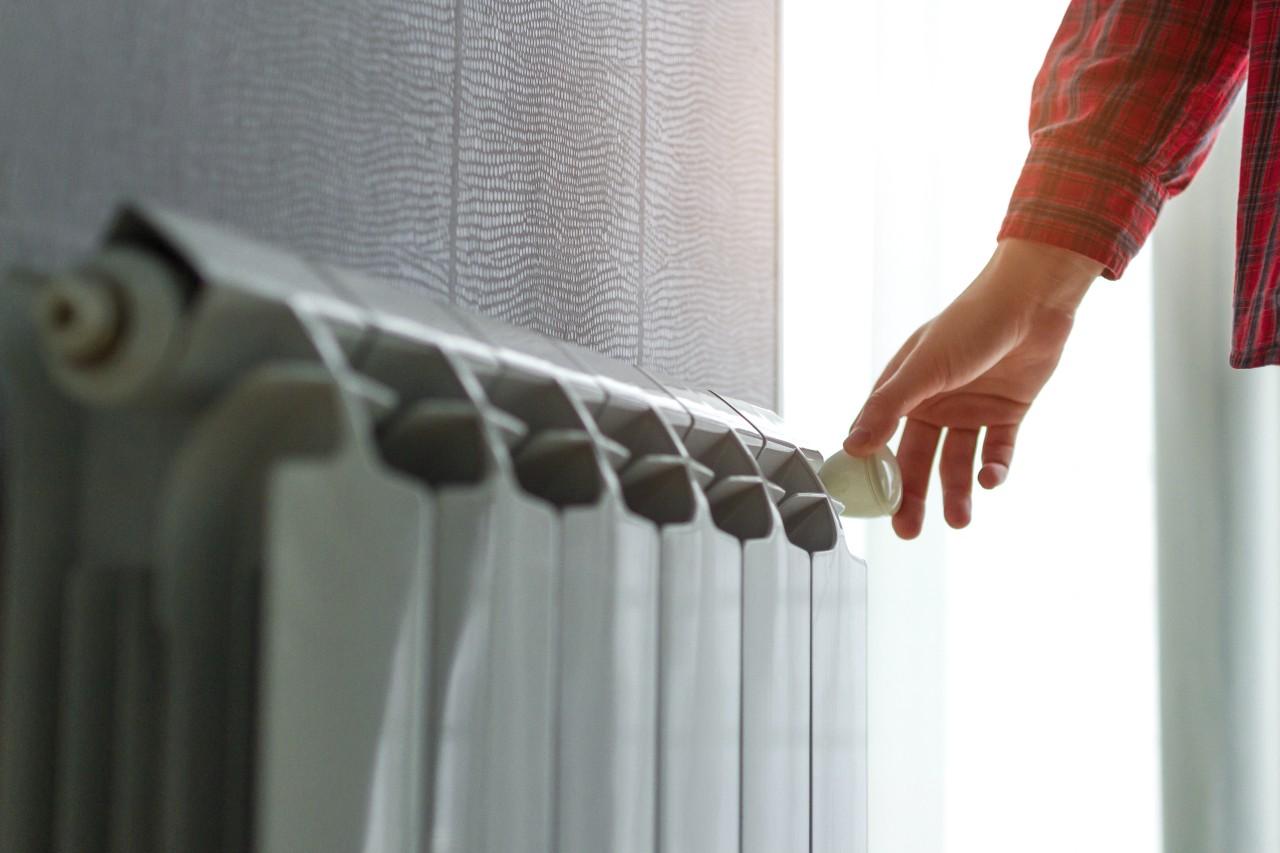
Houston winters may be short, but they can still catch you off guard. One week you are running the AC, and the next you wake up to a chilly house and a higher-than-expected energy bill. Heating does not run as often as cooling in Houston, so it is easy to forget about it until there is a problem. A few simple heating tips can keep your home comfortable, protect your system, and keep monthly costs under control.
This guide walks through practical, real-world heating tips for Houston homes. We will focus on what you can do yourself, when it is smarter to call a professional, and how to get more value from the heating equipment you already own. Whether you use a gas furnace, heat pump, or ductless system, these ideas will help you stay warm without wasting energy.
Along the way, remember that the same pros who fix Common Air Conditioner Problems in the summer are often the best people to keep your heating running safely in the winter too. Champion and Nash is one of the certified AC shops Houston homeowners turn to for year-round comfort, and the same care that keeps your AC reliable also keeps your heating system ready for cold fronts.
The first step to better comfort and lower bills is simply understanding what kind of heating system you have and how it behaves in our climate. Houston homes are not all built the same, and many neighborhoods mix older systems with newer, high-efficiency equipment.
Start by figuring out whether your home uses a furnace, a heat pump, or a ductless system. If you are not sure, check your equipment labels or any paperwork you have from past service visits. A traditional gas furnace will have a burner and flue, while a heat pump looks similar to an outdoor AC unit but also handles heating. Some homes use ductless mini-splits in certain rooms or additions.
If you ever decide to upgrade or replace your system, looking into a professional heating installation service is the best way to make sure the new equipment is sized correctly and matched to your home. Correct sizing is important in Houston because oversized systems can short-cycle, waste energy, and leave the home with uneven temperatures.
Your thermostat is the control center for your heating. Take a few minutes to learn every setting: heat, cool, auto, fan on, fan auto, and any schedule options. Many homeowners leave the thermostat in “auto” year-round and never adjust schedules, even though small changes could lower bills.
In winter, set a comfortable daytime temperature—often around 68–70°F when you are home—and slightly lower when you are sleeping or away. If you have a smart thermostat, consider creating a simple schedule that lowers heat during work hours and nudges it back up before you return. That kind of basic programming saves money without sacrificing comfort.
Champion and Nash has created several seasonal guides, including detailed HVAC winter prep content like the article on essential HVAC maintenance tips to prepare for Houston’s winter season. Those resources are helpful if you are tuning your thermostat and schedule for cooler months.
Your heating system depends on proper airflow. If ducts are leaky, kinked, or blocked, some rooms may feel cold while others overheat. Even if the furnace or heat pump is working correctly, airflow problems can waste energy and strain the equipment.
Walk through your home and check that all vents and returns are open and not blocked by furniture, rugs, or curtains. If you still have rooms that never feel quite right, it may be time to have a technician look at your ductwork as part of a broader heating services visit.
You do not need a full home renovation to bring heating costs down. A few practical habits make a noticeable difference, especially when cold fronts linger for several days.
Every degree matters. Even a 1–2°F reduction can lower energy use over the course of a winter. Instead of cranking the heat up when you feel cold, raise it slowly and give the system time to catch up. Large swings force the system to run longer than needed.
During the day, aim for a steady temperature that feels comfortable when you are dressed in light layers. At night, consider slightly cooler settings and use warm bedding instead of pushing the system harder. If you are away for a weekend, lowering the setpoint can trim unnecessary heating without risking frozen pipes (a rare but possible issue during extreme Houston freezes).
Warm air that escapes around doors, windows, and outlets is money that disappears into the Texas night. Use simple weatherstripping, door sweeps, and draft blockers to keep conditioned air inside your home. Close fireplace dampers when not in use, and make sure attic access doors fit snugly.
These small upgrades pair well with seasonal checklists from Champion and Nash, such as their practical guide on how to prep your home for freezing weather in Houston. Even if deep freezes are not common, being prepared the right way can keep heat where it belongs—inside.
Ceiling fans are not just for summer. In winter, set fans to run on low and reverse direction (so air moves up toward the ceiling). This gentle circulation pushes warm air off the ceiling and back down into the room.
You can also use interior doors strategically. Keep doors open in rooms you want heated so air can circulate, and close doors in unused rooms so your system is not wasting energy conditioning spaces you rarely use.
Professional service is important, but there are plenty of simple tasks homeowners can manage safely. These small jobs support system performance and can help prevent the kind of Common Air Conditioner Problems and heating issues that lead to emergency calls.
Dirty filters restrict airflow, force your system to work harder, and reduce comfort. In a city like Houston—where AC runs much of the year and heaters kick on during cold snaps—filters load up quickly with dust, dander, and outdoor particles.
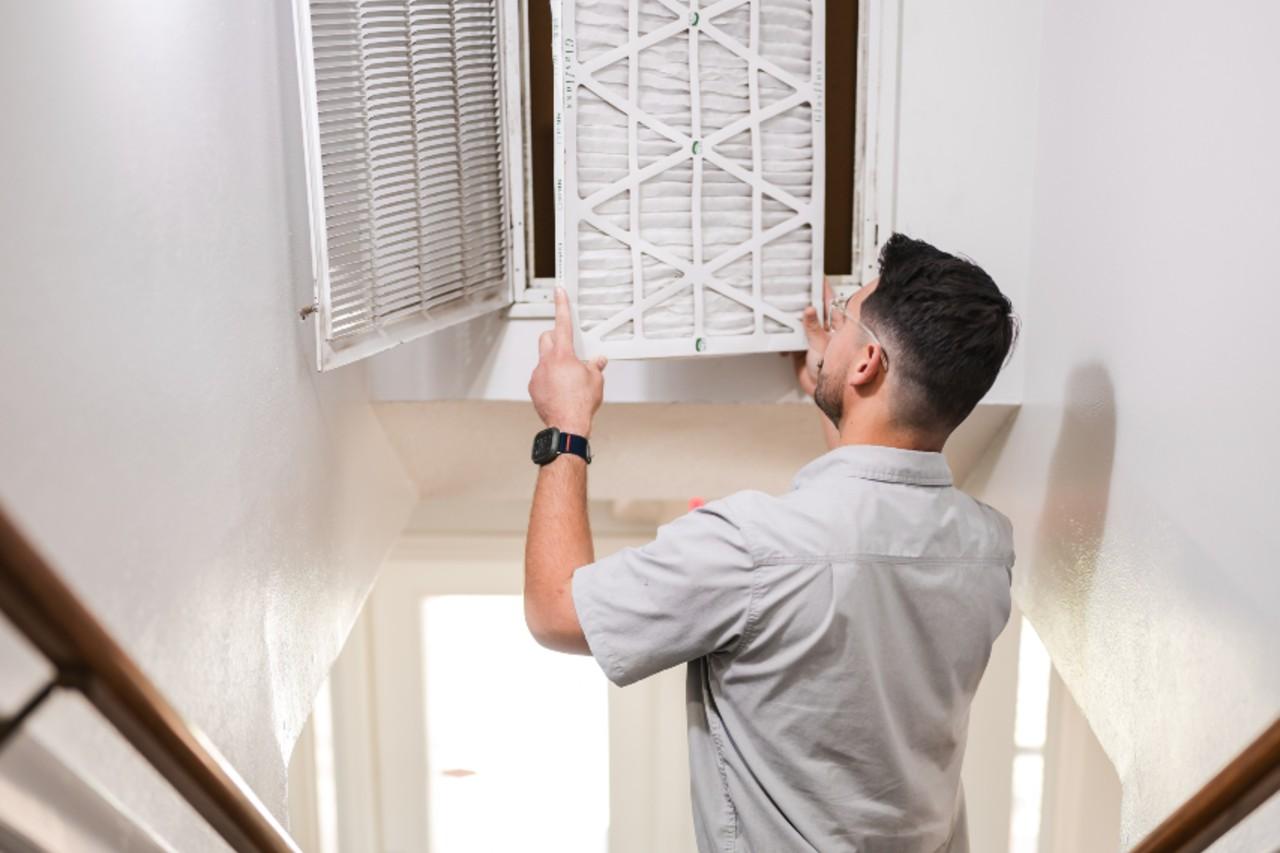
Check your filter every month and replace it at least every 60–90 days, or more often if you have pets or allergies. This one habit supports both heating and cooling performance. It is the same kind of routine step Champion and Nash emphasizes in their winter-focused article on HVAC maintenance Houston made simple for the Houston winter, which explains how simple maintenance decisions help your system last longer.
Vacuum dust from vents and returns, and make sure they are not blocked by furniture. Restricted airflow can cause hot and cold spots and may trigger safety sensors on furnaces.
If you notice unusual buildup in your vents or suspect deeper duct issues, a professional visit may be needed. In some cases, airflow problems start as cooling concerns—like rooms that never get cool enough in summer—and later show up as uneven heating. This is another reason many homeowners rely on certified AC shops Houston trusts, because the same airflow and ductwork expertise applies to winter comfort.
Your heating system often gives you early clues when something is wrong. Pay attention to:
A slight dusty smell the first time you use the furnace each season can be normal as dust burns off the heat exchanger. However, persistent burning, metallic, or electrical smells are not normal and should never be ignored.
If you notice a strong burning odor, especially one that worries you, it is smart to shut the system off and contact a pro. Champion and Nash has written about that exact concern in their guide on what to do when there is a burning smell coming from your furnace, which explains when the smell is minor and when it could signal something more serious.
Some tasks should always be left to trained technicians. Gas connections, major electrical work, and deep mechanical repairs can be dangerous if handled incorrectly.
Even in Houston, where heating season is short, an annual inspection is worth it if you use a furnace. A professional tune-up includes safety checks, combustion testing, and performance adjustments that you simply cannot do on your own.
A trusted local company can provide ongoing furnace maintenance services that help your system run safely and efficiently. Regular visits also give you a clear record of your system’s condition, so you are not surprised by sudden failures.
If your furnace stops keeping up with demand, runs non-stop, or starts making strange noises, it is time to call for help. Delaying service usually means higher energy bills and a higher chance of a complete breakdown during the next cold front.
For issues like repeated cycling, frequent tripped breakers, or a system that just will not start, look into professional furnace repair in Houston. A timely repair protects your comfort, but it also prevents small issues from damaging more expensive parts.
No system lasts forever. If your furnace or heat pump is more than 15 years old, needs frequent repairs, or leaves your home uncomfortable no matter what you try, a replacement may be more cost-effective in the long term.
When that time comes, a professional heating installation ensures that your new equipment is matched to your home’s size, layout, and duct configuration. A properly installed system will deliver better comfort now and reduce the chances of future heating or cooling issues.
Not all Houston homes rely on traditional furnaces. Many use heat pumps or ductless mini-splits, which can be very efficient in a mild winter climate.
Heat pumps move heat rather than generating it by burning fuel. In our climate, they can be extremely efficient if used correctly. Avoid the temptation to switch constantly between modes or crank the temperature far above your usual setting.
If you have questions about performance or want a more efficient setup, a local expert who works with heat pump systems can help you evaluate whether minor adjustments or an upgrade would help.
Ductless systems are common in additions, converted garages, and homes that do not have traditional ductwork. They need regular care too. Clean the indoor unit filters as recommended by the manufacturer, keep the outdoor unit clear of debris, and pay attention to any new noises or error codes.
If a unit is not heating properly or shows an error, call a technician who understands ductless equipment. Champion and Nash offers full ductless system services, including repair and maintenance, so the same team that helps with cooling can keep your ductless heating working smoothly.
Because Houston spends more months in cooling mode than in heating mode, it is easy to think of heating as a small concern. But balancing both seasons is the key to overall comfort and cost control.
A well-maintained system is less likely to develop the kind of Common Air Conditioner Problems that pop up when the first heat wave arrives. The same technicians who keep your furnace safe can also address AC issues like uneven cooling, weak airflow, or frequent cycling long before they turn into emergency calls.
Certified AC shops Houston residents rely on through the summer are often the most practical choice for winter tune-ups as well. They already understand how your equipment has been performing all year.
Even though Houston winters are relatively mild, it is still smart to have your heating system checked once a year. An annual tune-up lets a technician inspect safety controls, confirm proper venting, test combustion on gas furnaces, and make small adjustments that improve efficiency. If your system also handles cooling, regular maintenance supports both sides of your comfort. Many homeowners schedule service alongside broader seasonal maintenance, using guides like the one on getting ahead of the cold with fall HVAC maintenance as a reminder.
There is no single perfect number, but many homeowners find that around 68–70°F during the day provides a good balance of comfort and cost. At night or when you are away, lowering the temperature a few degrees can help control your bills without sacrificing comfort. The key is consistency—small changes maintained over time use less energy than large swings that force your system to work harder. Combined with simple home improvements, such as sealing drafts and checking filters, a steady thermostat setting keeps your home comfortable when cold fronts move through.
Pay attention to the age of your system, how it sounds, and how it behaves. If your furnace is more than 15 years old, needs frequent repairs, or shows signs like persistent burning smells, soot marks, or unusual flames, it is time to call a professional. A technician can inspect the heat exchanger, verify that exhaust gases are venting correctly, and confirm that safety controls are working as designed. If there is any doubt, scheduling a visit with a trusted local company that provides furnace maintenance and repair is the safest choice.
Frozen pipes are not an everyday concern in Houston, but recent winters have shown that hard freezes can happen. In extreme cold, keep your heat running, open cabinet doors under sinks on exterior walls, and let faucets drip slightly to keep water moving. If you will be away during a freeze, avoid turning the heat completely off. Tips from local resources such as the article on how to prep your home for freezing in Houston can help you prepare without overreacting.
If your system is old, inefficient, or needing frequent service, replacement may be more sensible than another repair. Signs that it is time to consider new equipment include high repair costs, rising monthly bills despite normal usage, and inconsistent comfort throughout your home. Talking with a professional about heating installation options can help you compare the cost of a modern, efficient system with the ongoing expense of keeping an older unit running.
Yes, and for most homeowners, that is the best approach. The same technicians who know how to handle Common Air Conditioner Problems in August usually understand your furnace, heat pump, or ductless equipment as well. That continuity means better service history, fewer surprises, and a more complete picture of how your system is performing year-round. Working with one trusted provider for both cooling and heating—rather than calling separate companies each season—simplifies scheduling and gives you a single point of contact if anything goes wrong.
By combining simple home habits with regular professional maintenance, you can reduce your heating bills, avoid unexpected breakdowns, and keep your home comfortable through every Houston cold front. When you are ready for help beyond basic DIY steps, local experts like Champion and Nash are there to provide the repairs, maintenance, and installations that keep your whole home system running smoothly all year long.


